






26/11 could have been prevented if Maharashtra acted on 23 intelligence alerts received: V Balachandran
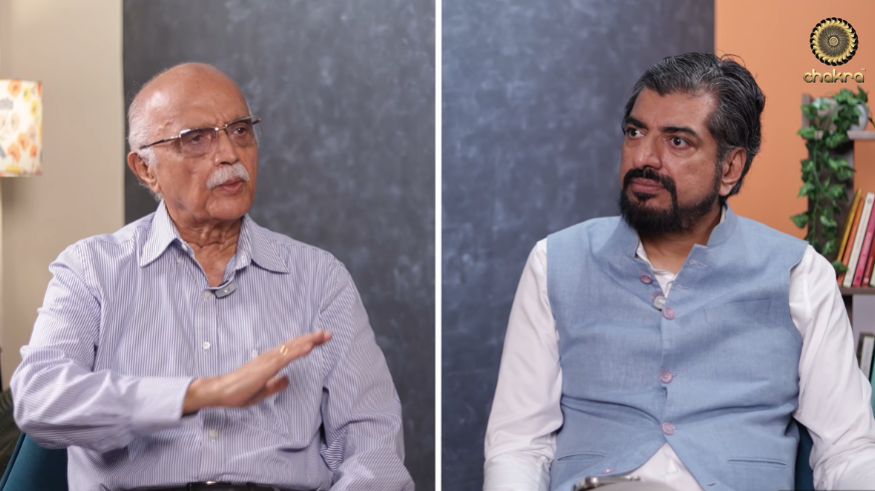
The 26/11 Mumbai terror attacks could have been prevented if the Maharashtra Home Department had acted on intelligence alerts and coordinated with the Coast Guard and Navy to secure the coastline, veteran intelligence officer V Balachandran said. He identified the failure to convene such a meeting as the biggest lapse that allowed the attackers to enter Mumbai by sea in November 2008.
The 26/11 Mumbai attacks took place between 26-29 November 2008, when 10 terrorists belonging to Pakistan-based Lashkar-e-Taiba carried out coordinated attacks across Mumbai. They targeted locations including the Taj Mahal Palace Hotel, Oberoi Trident and Chhatrapati Shivaji Terminus, killing 166 people and exposing major gaps in India's intelligence coordination and coastal security.
Vappalla Balachandran is a former Maharashtra cadre IPS officer who joined the Research and Analysis Wing (R&AW) in May 1976. He was also a member of the two-member Pradhan Committee, which examined the intelligence and security failures surrounding the 26/11 attacks.
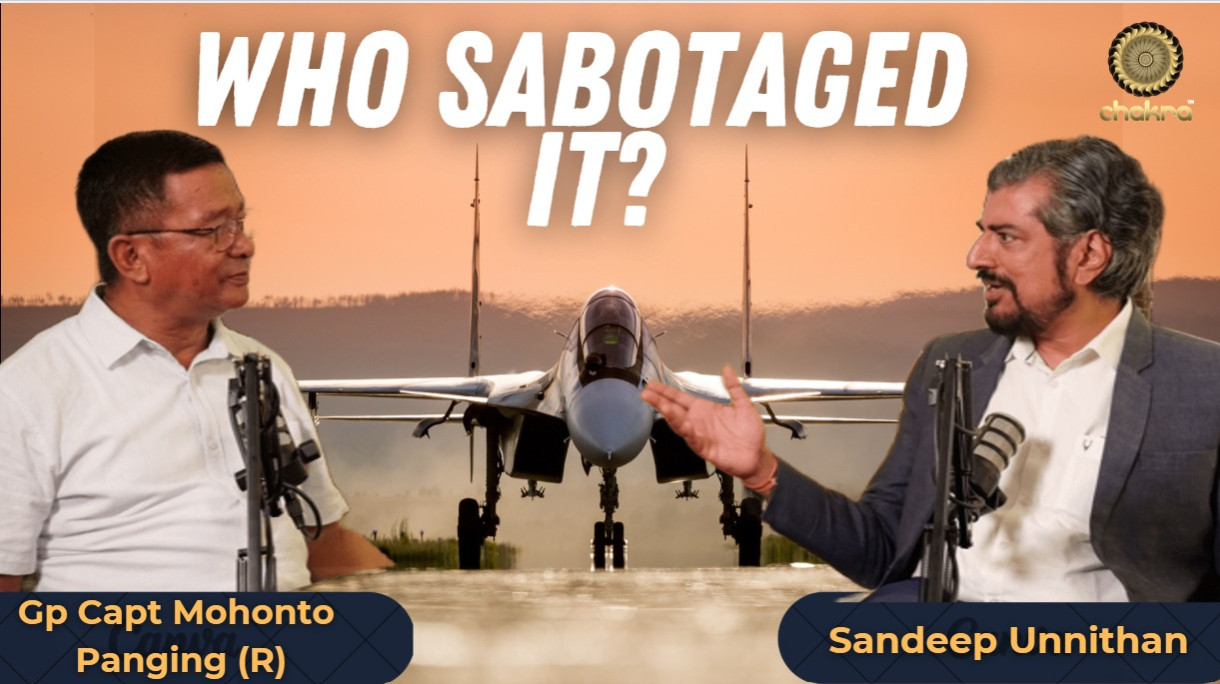
Speaking on The Sandeep Unnithan Show, Balachandran said the committee examined 23 intelligence alerts issued between 2006 and 2008. Of these, 16 were related to the Mumbai attacks. Several alerts warned that Pakistan was developing sea-borne commando terrorists and training them for maritime operations. Others identified possible targets, including the Taj and Oberoi hotels, railway stations and nuclear installations.
Balachandran said the Maharashtra government should have strengthened coastal surveillance, particularly given the 1993 Mumbai serial blasts, when arms and ammunition had also been brought into the city by sea. However, the coastal threat was not adequately addressed. He attributed part of the failure to the administrative arrangement in which the state Home Department controlled key police decisions. The police chief, he said, was waiting for the department to convene a meeting with the Coast Guard and Navy.
He argued that the failure reflected a larger problem in India's security system — the inability to connect intelligence inputs held by different agencies. Balachandran described this process as “intelligence arbitration”. Individual agencies may possess only fragments of information. These need to be brought together to build a larger picture and assess the threat.
He traced this idea to R&AW founder Rameshwaranath Kao. In 1981, Kao began an informal group of intelligence, finance and enforcement officials who met every Monday to exchange information and discuss security concerns. Defence officials, however, did not participate. Balachandran described the initiative as the groundwork for a future National Security Council, which could coordinate intelligence and security responses across departments.
He compared the failure before 26/11 to the intelligence breakdown preceding the September 11 attacks in the United States. In both cases, information existed across agencies but was not effectively shared or connected. The US 9/11 Commission had described the failure as a “failure of imagination”, where officials failed to recognise the larger threat despite having access to several warning signs.
Balachandran also said Kao would have appreciated India's more recent responses to terror attacks, including the surgical strikes after Uri, the Balakot airstrike after Pulwama and Operation Sindoor following the Pahalgam attack. He said there was greater cohesion between the military and intelligence agencies today. He added that Kao had always believed that security challenges required an integrated approach backed by coordinated intelligence.
The conversation also examined the origins of R&AW and the circumstances behind its creation. Balachandran rejected the perception that the agency was established as a political surveillance tool for then Prime Minister Indira Gandhi. He said the 1962 war with China exposed India's lack of a professional foreign intelligence agency. P N Haksar, a senior adviser to Indira Gandhi, played an important role in convincing her of the need for a separate organisation. The proposal initially faced resistance, particularly from sections of the Ministry of External Affairs.
Balachandran also recalled Kao's departure in 1977, after the Janata government came to power. According to him, Kao had recounted an incident in which an unidentified man confronted him during a meeting with Prime Minister Morarji Desai and accused him of political surveillance during the Emergency. Balachandran described the episode as a “put-up act”. He also disputed claims that Desai dismantled India's covert capabilities, saying the former Prime Minister opposed bribery and certain covert methods because of his personal principles.
Reflecting on Kao's leadership, Balachandran described him as a strategic thinker who preferred to remain in the background. He said Kao delegated routine administrative responsibilities and focused on the larger picture. “We need anonymity,” Balachandran said, arguing that intelligence officers should avoid the public profile often associated with senior police officials. He contrasted Kao's approach with the more public-facing style of National Security Adviser Ajit Doval, while clarifying that this was not a criticism of Doval.
On the changing nature of intelligence work, Balachandran said the global security environment had become increasingly unpredictable. Rapid political shifts, emerging technologies and new forms of warfare had made long-term strategic assessments more difficult. He was also sceptical that artificial intelligence could replace human intelligence analysis. Instead, he warned that AI could create new forms of deception.
As an example, he recalled how Russia had reportedly used an imitation of Ukrainian President Volodymyr Zelensky's voice during the early stages of the Ukraine war to urge Ukrainian forces to surrender. Ukrainian authorities identified it as deception. Balachandran said competent human analysis would remain essential despite advances in technology.
He also recalled leading Indian inter-agency delegations for counterterrorism dialogues with the United Kingdom and the United States in 1993 and 1994. He said Western agencies often treated Pakistan-backed terrorism and Sikh militancy as human rights concerns rather than security threats. Calling out what he described as double standards, he told his counterparts, “Today they are hitting us. Tomorrow, they will hit you also.”
Watch the Full Podcast —
Part 1: https://youtu.be/FjjPoLK2YAk?si=wQEOYdOY6cq2EdG0
Part 2: https://youtu.be/7VkyjQGpkic?si=9uxkkqeaRXVbyacB
Savio Rodrigues
Savio Rodrigues is a Research Analyst at Escape Velocity MediaWorks Pvt Ltd and writes for Chakra News on Defence, Geopolitics, National Security. He holds a Master’s degree in International Relations from the University of Mumbai.



Comments