









Smart mines, HAPS, active tank protection systems, jet-powered drones: DAC approves Rs.52,000 crore capital acquisition proposals

The Defence Acquisition Council (DAC) approved a capital acquisition proposal worth Rs. 52,000 crore today, granting Acceptance of Necessity (AoN) to multiple sri-services defence projects.
Chaired by Raksha Mantri Rajnath Singh, it was the first session attended by the three newly appointed military chiefs after months of backlog. It helped in enhancing the capabilities of the armed forces by officially granting AoN, which is the first initial step for the procurement process.
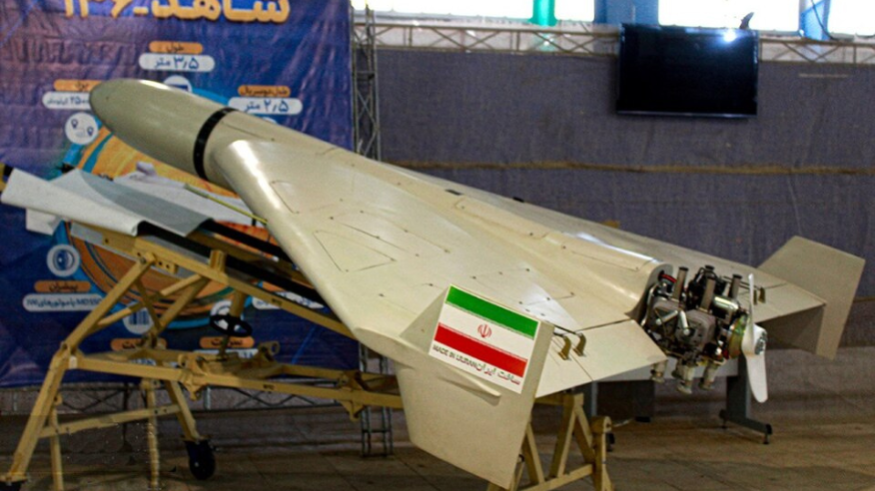
Proposals cleared include the acquisition of 400 Verba Very Short Range Air Defence System (V-SHORADS) worth Rs 1800 crore, Multi Influence Ground Mine (MIGM) for the Indian Navy worth Rs 4,000 crore, and Rs 1,800 crore for jet-based Kamikaze drones for the Indian Army. The DAC also cleared a Rs 10,000 crore program to acquire 900 Active Protection Systems for the Indian Army’s T-90 tanks. The Israeli system is believed to be based on Israel’s ‘Trophy’ APS and increases the survivability of tanks.
A significant clearance was a Rs 4,000 crore project for the development of High-Altitude Pseudo-Satellites (HApS) plus the acquisition of 19 pseudo-satellites for the Indian Air Force and Fixed-Wing Based High Altitude Pseudo Satellite (FW-HAPS) operating in the stratosphere, which to achieve persistent Intelligence, Surveillance & Reconnaissance, telecommunication and remote sensing for the Indian Air Force
Other systems included Akash Tarang Anti-Unmanned Aerial Vehicles (UAV) Electronic Warfare System, Man Portable Anti-Tank Guided Missile (MPATGM) Systems, Medium Range Surface-to-Air Missile (MRSAM) missiles.
Akash Tarang is meant to protect army formations from UAVs, the indigenous MPATGM will boost the effectiveness of the Infantry to defeat enemy armour.
The DAC also cleared Naval Shipborne Unmanned Aerial System (NSUAS) for the Indian Navy and the setting-up of Land Based Testing Facility (LBTF) for the Electric Propulsion System which will fulfill the testing requirements for Motors and associated Propulsion Systems of the Indian Naval assets.
Kamakshi Rana
Second-year BA (Hons.) Multimedia and Mass Communication student passionate about journalism, storytelling, photography, and multimedia content creation. Keen to explore the evolving world of media and communication.


Comments