











Top Headlines: 16th February 2026

1. Raksha Mantri & French counterpart to co-chair 6th Annual Defence Dialogue
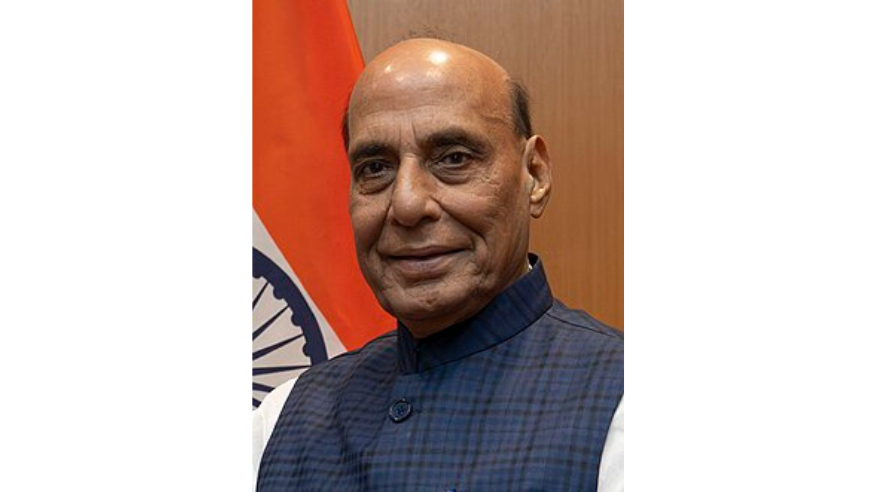
Raksha Mantri Rajnath Singh will co-chair the 6th India–France Annual Defence Dialogue with France’s Minister of the Armed Forces and Veterans Affairs, Catherine Vautrin, in Bengaluru on February 17, 2026. The meeting will review the full spectrum of bilateral defence cooperation, with a focus on expanding industrial collaboration.
A defence cooperation agreement is expected to be renewed for another 10 years, along with the likely signing of an MoU for a joint venture to manufacture HAMMER missiles in the presence of both Defence Ministers. An announcement is also expected regarding the reciprocal deployment of officers between the Indian Army and the French Land Forces.
The two Ministers are also expected to witness the virtual inauguration of the H125 Light Utility Helicopter Final Assembly Line of Tata Airbus at Vemagal, Karnataka, by Prime Minister Narendra Modi and President Emmanuel Macron.
2. Royal Thai Navy HTMS Krabi arrives at Visakhapatnam
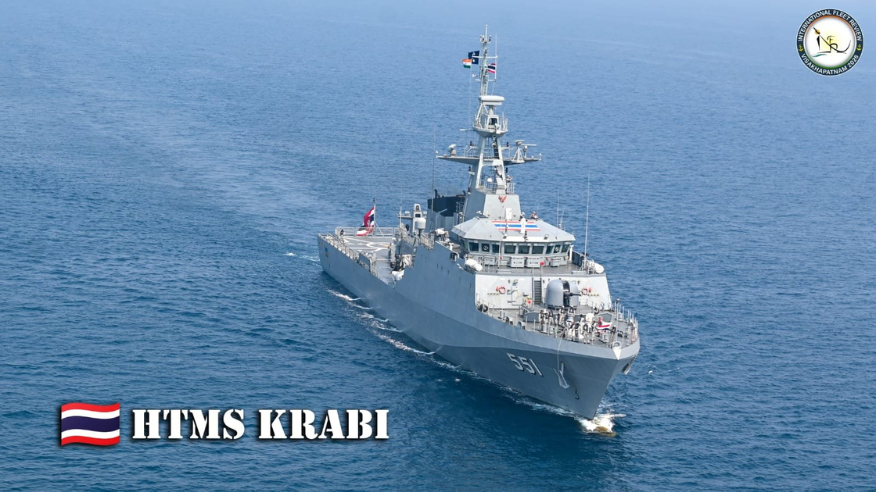
HTMS Krabi, an offshore patrol vessel of the Royal Thai Navy, has arrived at Visakhapatnam to participate in the International Fleet Review 2026 and Exercise MILAN 2026, as navies from across the world assemble for the event.
The International Fleet Review 2026 and Exercise MILAN will be held in Visakhapatnam from 15 to 26 February 2026.
3. Ministry of Defence releases Defence Acquisition Procedure 2026
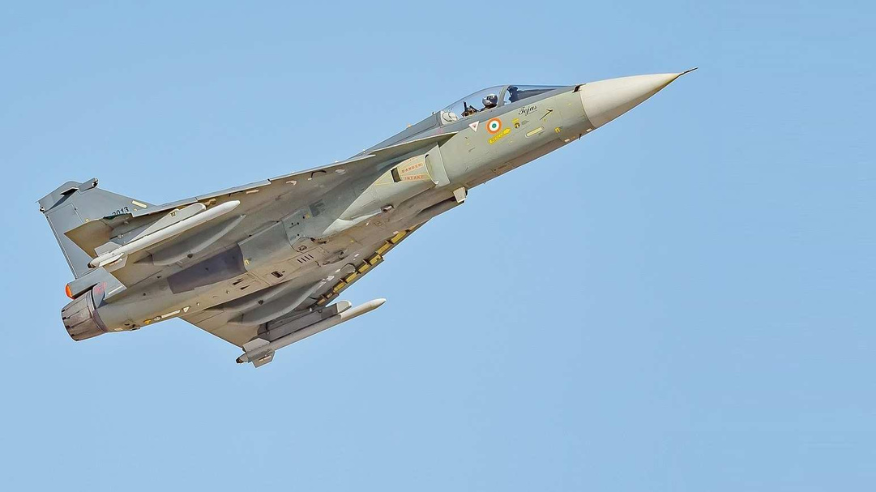
The Defence Acquisition Procedure (DAP) 2026, the draft of which was released recently by the Ministry of Defence to replace the existing 2020 version, has been designed to bolster self-reliance, accelerate acquisition timelines, and empower the Indian defence industrial ecosystem. It aims to achieve a greater indigenous defence manufacturing base, reduce import dependency and position India as a global leader in defence technology by streamlining processes, enhancing indigenous content mandates & introducing innovative procurement categories.
The major changes proposed in DAP 2026 as compared to DAP 2020 are as follows: Procurement categories reduced from 5 to 4, Indigenous design defined in DAP to promote Aatmanirbharta, Indigenous Content raised from 50% to 60% in Buy Indigenous Design, Development & Manufacturer category and providing incentives, Involving subject experts in the finalisation of SQR/Specifications and oversight of Trials, New procedures (i) Long Term Bulk Acquisition for industry visibility and (ii) Low-Cost Capital Acquisition for fast-moving, low-cost tech items introduced.
Introduction of Technology Readiness Level (TRL) based categorisation
Ab-initio single vendor allowed in Buy (Indian-indigenous design, development, and manufacture) for TRL 6 to 9 equipment, Provision for Two-stage trials introduced, Fast Track Procedure refined with downward delegation for procurement involving emerging & shorter development cycle technology, Compensation to all vendors who are successful in trial evaluations, Development-cum-Production Partner (DcPP) selection for DRDO projects reviewed to ensure level playing field, Make/iDEX projects updated with Spiral development & 05 years of assured orders, Services to choose the mode of QA trials for faster procurement cycle, Monitoring of timelines from Request for Information (RFI) onwards and planning concurrent activities to achieve reduced timelines for acquisition
4. India, Japan, and Indonesia conduct trilateral naval exercise
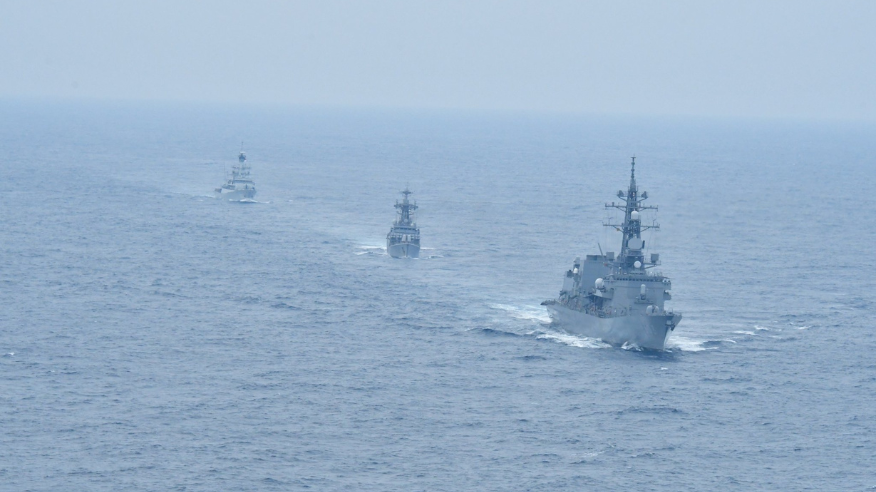
Naval ships from India, Japan, and Indonesia conducted a trilateral exercise in the Andaman Sea on February 13, enhancing operational readiness, interoperability, and reinforcing maritime cooperation towards a safe, secure, and stable region.
5. GA-ASI achieves semi-autonomous flight of YFQ-42A
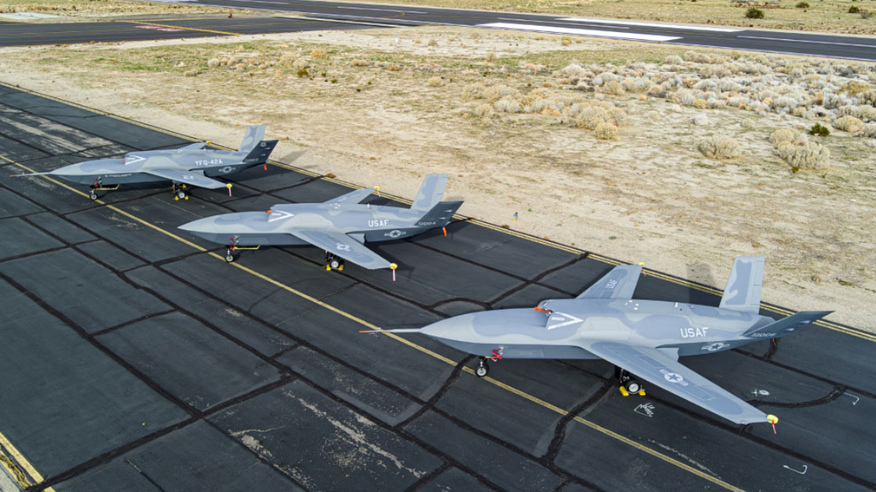
General Atomics Aeronautical Systems (GA-ASI) successfully integrated third-party mission autonomy into the YFQ-42A Collaborative Combat Aircraft, conducting its first semi-autonomous airborne mission.
For this test, mission autonomy software from Collins Aerospace, an RTX business, was used. The Sidekick Collaborative Mission Autonomy software was integrated with the aircraft’s flight control system using the Autonomy Government Reference Architecture (A-GRA).
This enabled robust data exchange between the autonomy software and mission systems, ensuring precise execution of mission commands.
6. U.S. transports next-generation nuclear reactor for testing
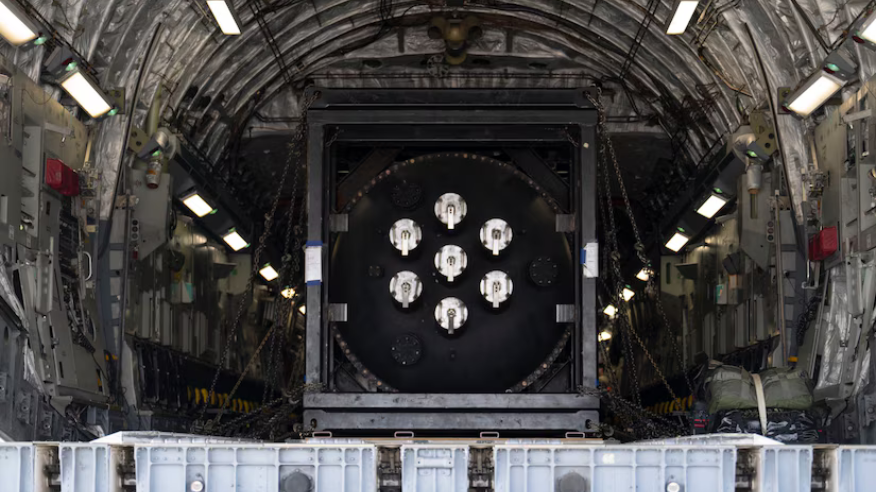
At March Air Reserve Base, California, on February 15, a next-generation nuclear reactor was loaded onto a C-17 Globemaster III aircraft for transport to Hill Air Force Base, Utah. It will eventually be moved to the Utah San Rafael Energy Lab for testing and evaluation.
Such reactors could provide energy security for military bases, reducing dependence on civilian power grids. In overseas operations, they could allow U.S. forces to operate without the risk of fuel supply disruptions by adversaries.
Chakra Desk
Chakra News is a specialised digital media platform committed to in-depth coverage of India’s defence, national security, geopolitics, and critical technologies.



Comments