











More Power to Indian Army Radars

At high-altitude regions, not only are the men tested, but the performance of the equipment is also tested. It pushes machines beyond the limits they were designed for. Radar systems that were built to operate at sea level behave very differently in thin air, where low pressure can turn power into a liability.
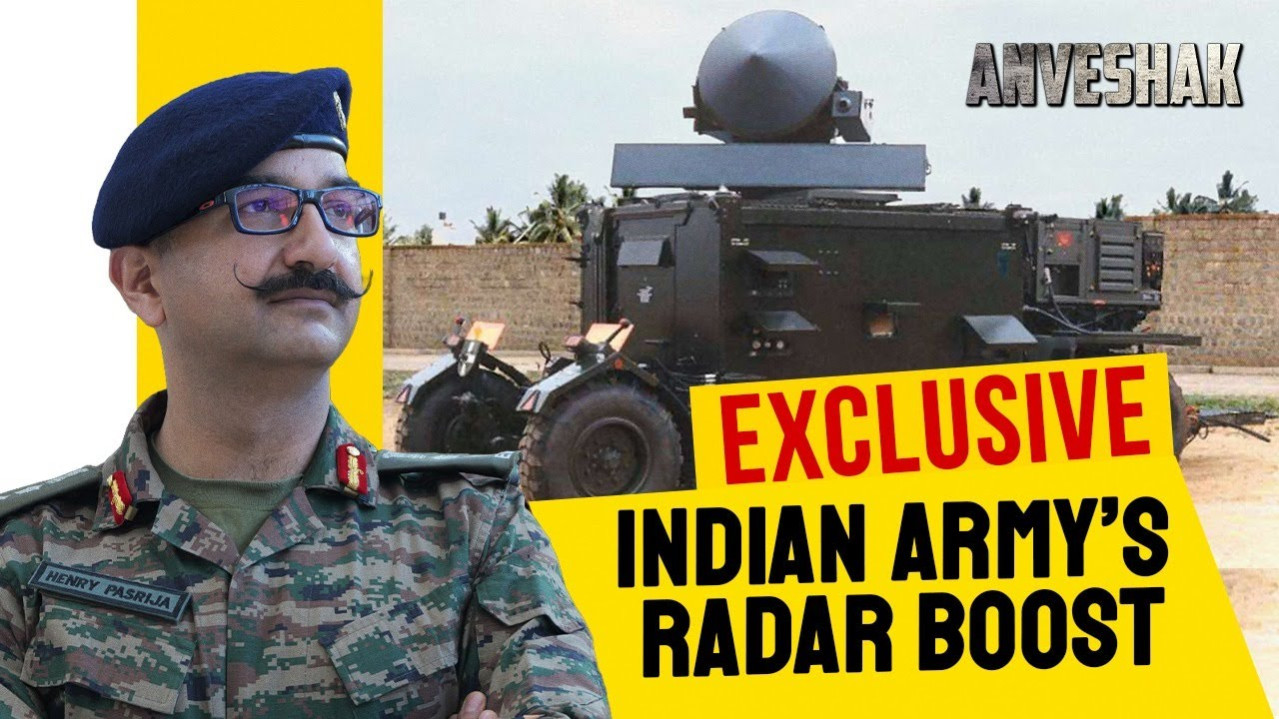
Reduced air density and low temperatures affect both human beings and equipment severely. In this case, the impact of these conditions on radars was closely studied. To solve this, Colonel Henry Pasrija came up with a solution to mitigate the problems radars were facing due to the refracted atmosphere, reduced dielectric strength of air, and low temperatures.
Colonel Henry Pasrija says that innovation can be done by anyone who is actually facing the problem in the field. The inception of this innovation came from challenges faced in high-altitude areas. The radars, though technologically sound, were experiencing reliability issues at these altitudes because of harsh weather conditions.
Later, when the problem was observed in minute detail, the root cause was found not in the radar itself, but in the need to provide variable voltage suitable for that particular altitude. This sparked the idea: what if a device could be designed and developed that automatically regulates voltage as per the altitude where the radar is deployed?
Various correction factors required for the machine at different altitudes were calculated. All these programs and calculations were fed into the device. From there, it evolved into a fully functional, soldier-friendly variac, which now makes radars more reliable in high-altitude areas. They can now be operated at altitudes beyond 1,000 metres.
The areas where the equipment is deployed vary from sea-level deserts to high-altitude regions. The equipment profile remains the same, but its deployment and actual usage vary.
Terrain and weather factors naturally impact the performance of equipment. This device makes radars that were originally deployed in plains more reliable even in high-altitude areas.
Colonel Henry Pasrija mentions an important point:
“These emerging technologies, which we call disruptive technologies, are going to change the complete landscape of war in terms of operations and also in terms of logistics support. The way we fight, the way logistics or engineering support is provided to fighting formations, everything is going to get transformed in the near future.”
He adds, “We expect that AI-based predictive maintenance tools will help us identify and predict failures even before they occur. Innovators in uniform can do wonders if we nurture their spirit and give them the desired tools and resources. The current generation has a visible mindset shift — they are more curious and more hands-on.”
Watch the full episode: https://www.youtube.com/watch?v=zKodK2chczs&t=240s
Arjun Dev Singh
Arjun Dev Singh has a deep interest in defence, security, and strategic affairs. With a strong analytical lens and a passion for military and geopolitical developments, Arjun strives to bring clarity and context to complex national and international issues.




Comments