








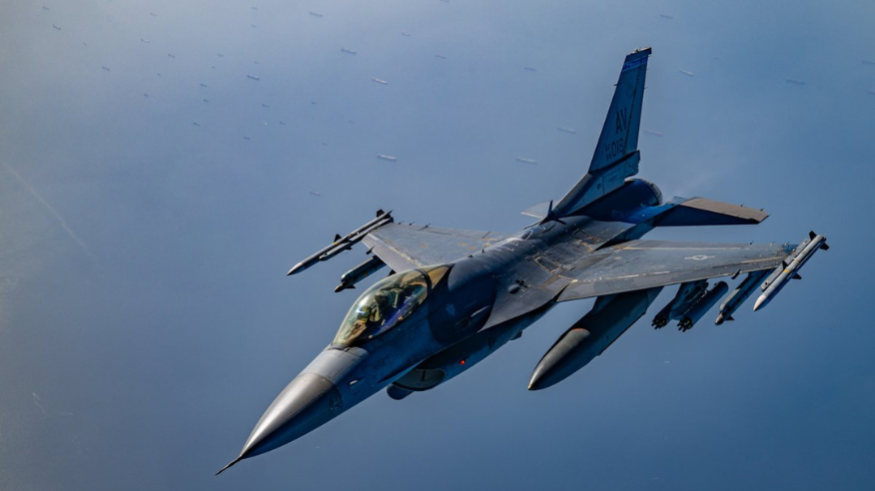
Epic Fury: How did the US risk running out of ammunition

Concern over the status of U.S. munitions inventories has intensified amid reports of heavy expenditure of Tomahawks, Patriots, and other missiles in the Iran war. As Operation Epic Fury remains paused under a fragile ceasefire, there is now an opportunity to assess whether the U.S. military is nearing the point of going “Winchester” or running out of ammunition.
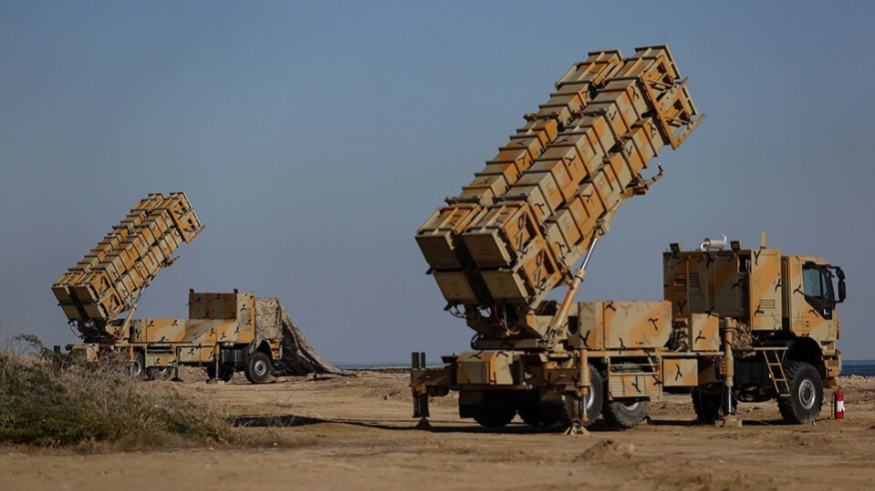
Analysis by CSIS of seven key munitions suggests that the United States retains enough missiles to sustain this war under any plausible scenario. The real risk, one that will persist for years, lies in future conflicts. During the 39-day air and missile campaign before the ceasefire, U.S. forces made extensive use of these munitions. For four of them, more than half of the prewar inventories may have been expended. Replenishing stockpiles to prewar levels will take between one and four years as pipeline deliveries come through. These same munitions will also be critical in a potential Western Pacific conflict.
Even before the Iran war, stockpiles were considered insufficient for a peer-level conflict. That gap has now widened, and rebuilding to levels adequate for a war with China will take additional time.
A BLU-110 bomb fitted with a Joint Direct Attack Munition (JDAM) kit costs under $100,000, while a Joint Air-to-Surface Standoff Missile (JASSM) costs around $2.6 million. Both deliver 1,000-pound payloads with precision. However, these lower-cost munitions have shorter ranges, exposing launch platforms to greater risk and requiring air superiority for sustained use.
Other key systems include the JDAM, Joint Air-to-Ground Missile (JAGM), Small Diameter Bomb (SDB) I and II, AIM-120 AMRAAM, and AIM-9X Sidewinder. Among low-cost alternatives, the LUCAS, at roughly $35,000, offers an affordable standoff strike capability with a range of about 500 miles, though it carries a relatively small 40-pound warhead. While used in the Iran war, inventories were insufficient to match the large salvos seen from Iran or Russia in Ukraine.
Another critical category is counter–unmanned aerial systems (c-UAS). Although the Department of Defense began work in this area a decade ago, progress was gradual until the Ukraine war underscored its importance. Since then, efforts have accelerated, producing several low-cost interception systems. These include the Advanced Precision Kill Weapon System (APKWS), a laser-guided Hydra 70 rocket; Roadrunner and Coyote interceptor drones developed by Anduril and Raytheon; and the Counter Rocket, Artillery, and Mortar (C-RAM) system, a radar-guided rapid-fire gun based on the Navy’s Phalanx. While effective for point defence, C-RAM’s use in populated areas is constrained by the risk of collateral damage.
If inventories are so depleted, how does the U.S. still have enough for this war? The answer lies in a sharp drop in usage after the initial phase. For ground strikes, cheaper and more abundant munitions have largely replaced long-range systems such as TLAMs, JASSMs, and PrSMs. Air and missile defence expenditure has also declined as Iranian attacks tapered off. After launching more than 2,000 drones and 500 ballistic missiles in the first four days, Iran’s activity dropped by 83% and 90%, respectively, within a week.
Arjun Dev Singh
Arjun Dev Singh has a deep interest in defence, security, and strategic affairs. With a strong analytical lens and a passion for military and geopolitical developments, Arjun strives to bring clarity and context to complex national and international issues.




Comments