











Top Headlines: 30th March 2026

1. Adani Defence delivers first batch of Negev NG-7 Prahar LMGs to Indian Army
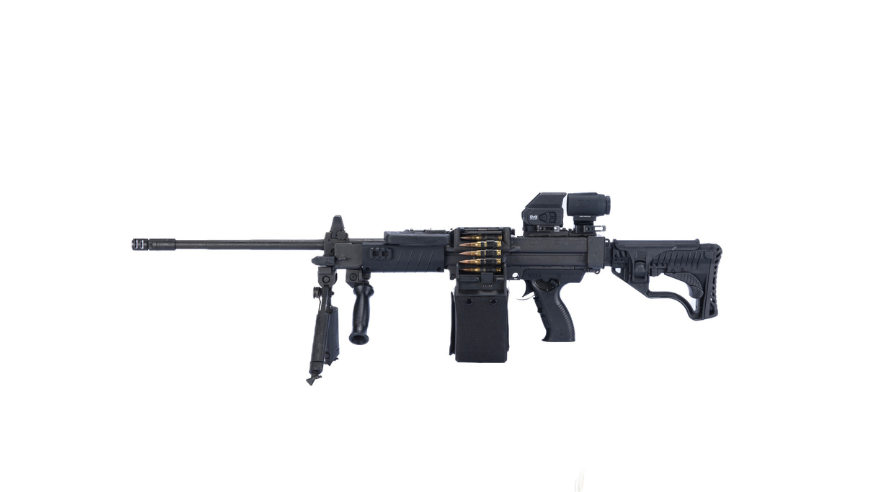
Adani Defence & Aerospace delivered the first batch of Israeli Negev NG-7 ‘Prahar’ LMGs (Light Machine Guns) to the Indian Army on March 28. The event was graced by A. Anbarasu, Director General (Acquisition) & Additional Secretary, Ministry of Defence, along with Tarun Agrawal, ADG (Acquisition Technical – Army), Ministry of Defence.
India had initially ordered 16,479 LMGs under the Fast Track Procedure (FTP) in 2020 to meet urgent operational requirements for frontline troops from Israel Weapon Industries (IWI). Adani Defence was subsequently awarded a contract for 41,000 LMGs in 2024 to replace the ageing INSAS LMG. The weapons are being manufactured in India in collaboration with IWI.
2. Indian Army signs first contract through GeM

The Indian Army awarded its first contract through the Government e-Marketplace (GeM) on March 28, according to a post on X by ANI. The contract, for the supply of 93 telescopic handlers under the Buy (Indian) category, has been signed with JCB India Limited at a total cost of ₹25.90 crore.
3. DAC approves proposals worth ₹2.38 lakh crore
The Defence Acquisition Council (DAC), chaired by Raksha Mantri Shri Rajnath Singh, on March 27 granted Acceptance of Necessity (AoN) for various proposals worth an estimated ₹2.38 lakh crore.
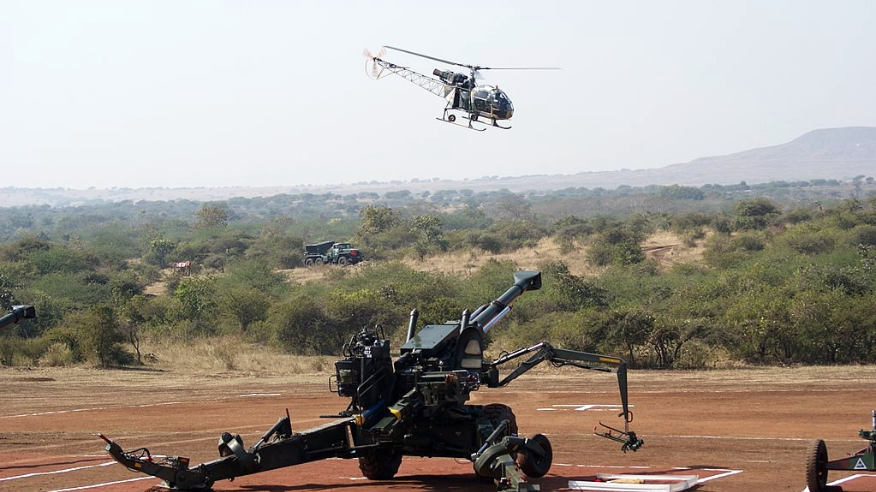
For the Indian Army, approvals include the Air Defence Tracked System, armour-piercing tank ammunition, high-capacity radio relay, Dhanush Gun System, and a runway-independent aerial surveillance system.
The Air Defence Tracked System will provide real-time air defence control and reporting capability, while the high-capacity radio relay will ensure reliable and resilient communication. The Dhanush Gun System will enhance artillery capabilities with longer-range engagement, improved lethality, and accuracy across terrains. The runway-independent aerial surveillance system will strengthen surveillance capabilities, while the armour-piercing tank ammunition will enhance anti-tank lethality.
4. Ministry of Defence signs contracts with Boeing and Rosoboronexport
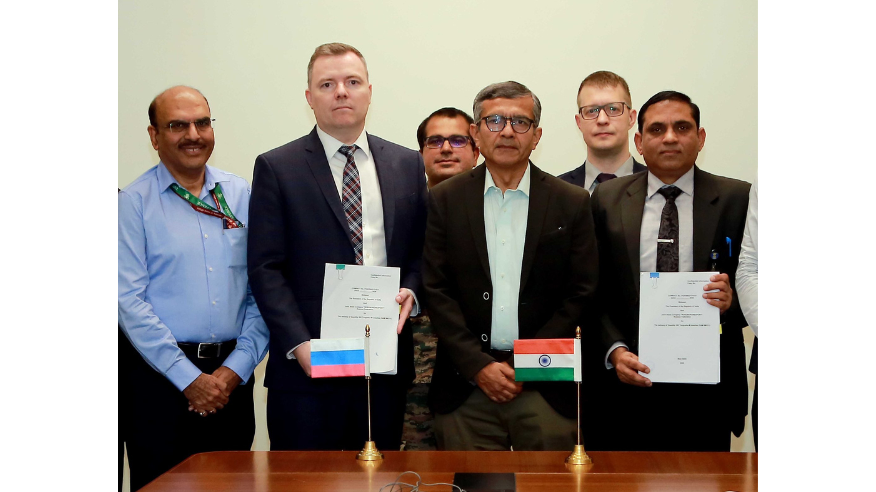
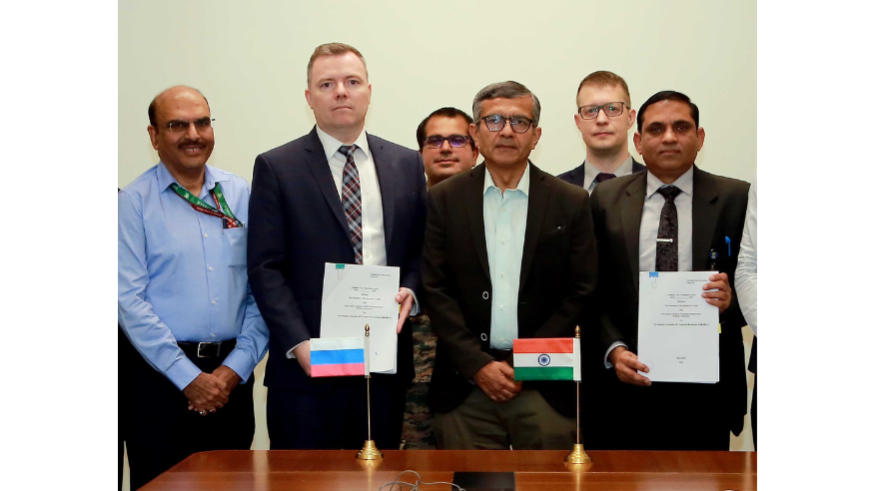
The Ministry of Defence signed contracts worth ₹858 crore at Kartavya Bhawan-2, New Delhi, on March 27 to boost air defence and maritime capabilities.
A ₹445 crore deal has been signed with Russia’s Rosoboronexport for the Tunguska air defence missile system, strengthening the Indian Army’s multi-layered air defence against aircraft, drones, and cruise missiles.
Additionally, a ₹413 crore contract has been signed with Boeing India for depot-level inspection of P-8I aircraft under the Buy (Indian) category with 100% indigenous content, ensuring in-country MRO support for the Indian Navy.
5. Russia’s Ust-Luga port damaged by Ukrainian drone strikes

Russia’s Ust-Luga port, one of its largest petroleum export outlets, was damaged on March 29 in a Ukrainian drone attack that sparked a fire, according to a report by The Economic Times.
Ukraine has intensified drone strikes on Russia’s oil and fuel export infrastructure this month, hitting all three of Russia’s major western oil export ports, including Novorossiysk on the Black Sea, and Primorsk and Ust-Luga on the Baltic Sea.
6. Boeing E-3 Sentry AWACS damaged at Prince Sultan Air Base

An American E-3 Sentry was among the aircraft damaged at Prince Sultan Air Base in Saudi Arabia on March 27. The base was reportedly hit by an Iranian missile and drone attack, injuring 12 service members and damaging several U.S. refuelling aircraft, according to a report by The Wall Street Journal.
The E-3 Sentry is an airborne warning and control system (AWACS) aircraft that manages the battlespace and tracks drones, missiles, and aircraft from hundreds of miles away. It provides commanders with a real-time operational picture, enabling threat interception and coordination of friendly assets.
Chakra Desk
Chakra News is a specialised digital media platform committed to in-depth coverage of India’s defence, national security, geopolitics, and critical technologies.




Comments