












Top Headlines: 1st January 2026

1. DRDO conducts successful salvo launch of two Pralay missiles
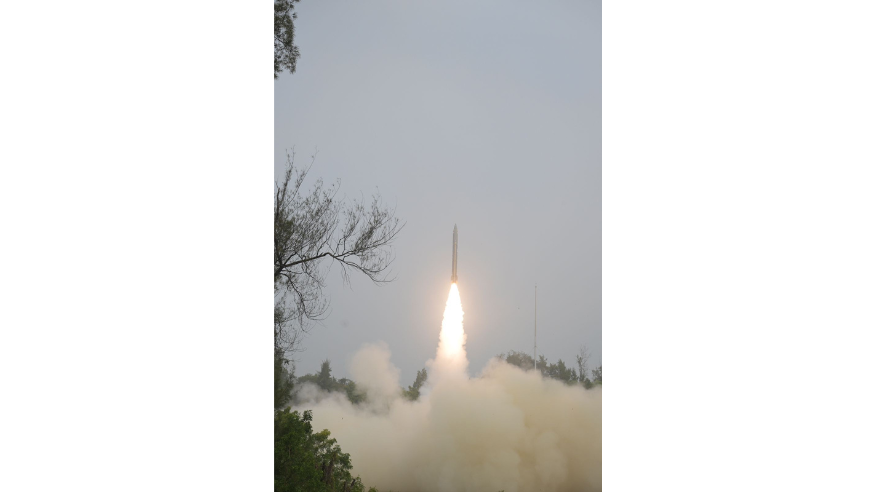
The Defence Research & Development Organisation (DRDO) successfully conducted a salvo launch of two Pralay missiles in quick succession from the same launcher off the coast of Odisha at around 1030 hrs on December 31. The flight test was carried out as part of user evaluation trials. Both missiles followed the intended trajectory and met all mission objectives, as confirmed by tracking sensors deployed by the Integrated Test Range (ITR), Chandipur. Terminal events were validated by telemetry systems installed onboard a ship positioned near the impact points.
Pralay is an indigenously developed solid-propellant, quasi-ballistic missile equipped with state-of-the-art guidance and navigation systems to ensure high precision. The missile is capable of carrying multiple types of warheads against a range of targets.
2. Lithuania signs €320m deal with Saab for RBS-70 Bolide missiles
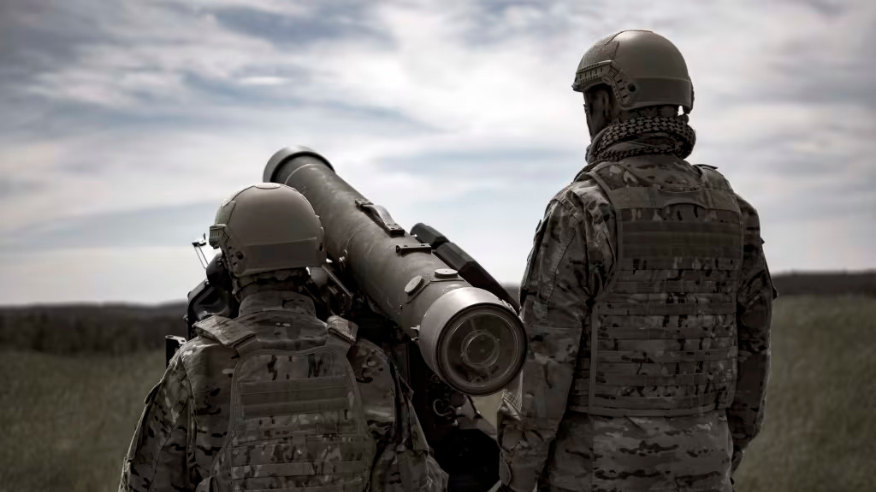
Lithuania has strengthened its air defence capabilities by signing a €320 million contract with Swedish defence major Saab for the supply of RBS-70 “Bolide” missiles, ensuring continuous deliveries to the Lithuanian Army between 2026 and 2032. According to a post by the Lithuanian Army on X, the RBS-70 system enhances mobility, efficiency, and resilience against modern aerial threats.
Lithuania has operated Saab’s short-range air defence system since 2004. The upgraded RBS 70 NG is also part of Saab’s vehicle-integrated mobile air defence solution (MSHORAD) acquired by Lithuania, protecting manoeuvring units.
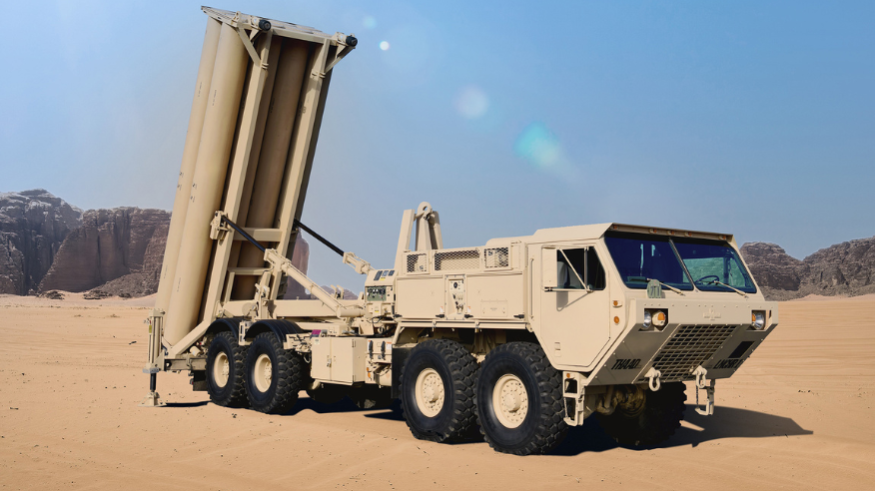
3. Lockheed Martin secures THAAD contract modification for UAE
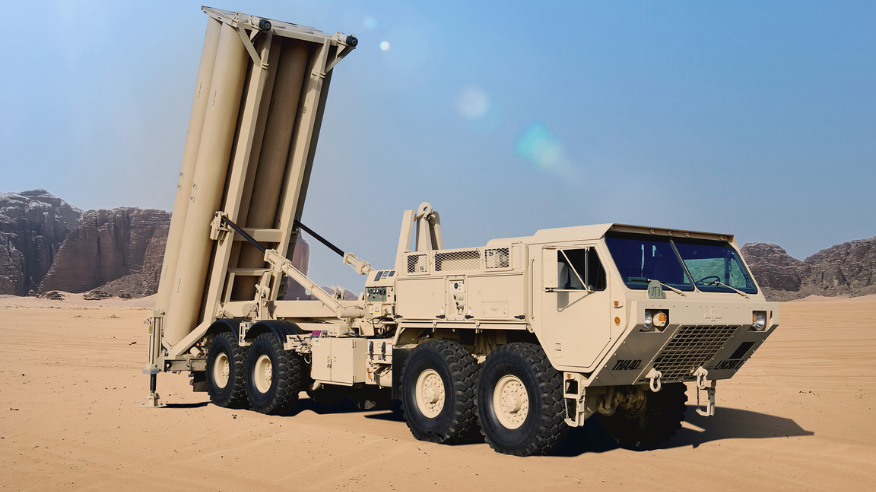
Lockheed Martin has secured a $142.6 million contract modification to continue support for the United Arab Emirates’ Terminal High Altitude Area Defense (THAAD) system, signalling deeper U.S. strategic alignment with a key Gulf partner amid rising regional missile threats. Issued under the U.S. Foreign Military Sales (FMS) programme, the award raises the total value of the sustainment contract to $876.7 million, according to a report by Army Recognition.
Designed to counter short- and medium-range ballistic missiles during their terminal phase, THAAD employs hit-to-kill kinetic technology to intercept threats at high altitudes, above the coverage of systems such as Patriot. In the UAE, THAAD provides upper-tier protection against Iranian ballistic threats and complements lower-tier defences within an integrated air and missile defence grid developed in coordination with U.S. Central Command.
4. Kazakhstan to produce light tank based on Turkish Otokar Tulpar
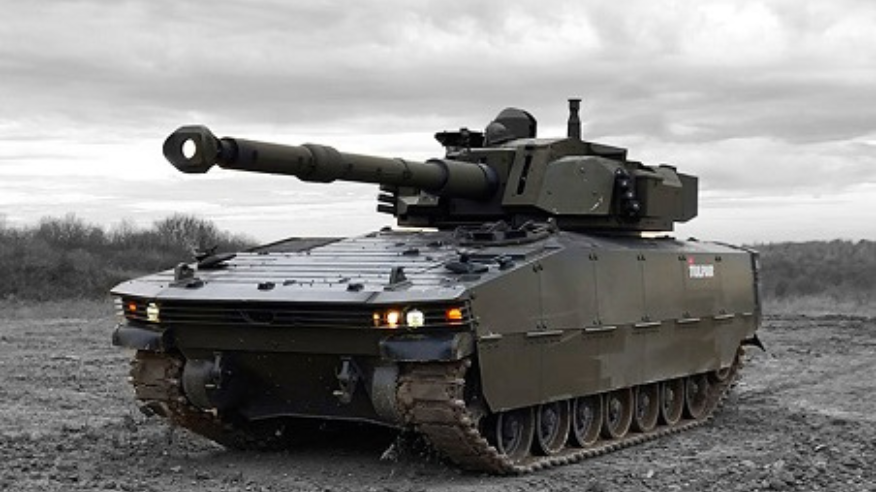
Kazakhstan has unveiled plans to begin domestic production of a light tank based on the Tulpar infantry fighting vehicle, following President Kassym-Jomart Tokayev’s visit to defence manufacturing facilities in Astana, including the Besqaru plant, on December 29, 2025.
During the visit, Tokayev toured production workshops at Besqaru, a company involved in the manufacture and maintenance of wheeled and tracked armoured vehicles. The company plans to produce up to 200 amphibious armoured vehicles, including the Taimas 8×8 and Aibar 4×4. These platforms are localised variants derived from designs developed by Turkish defence firm Otokar. The most notable announcement, however, was Besqaru’s plan to begin production of a light tank variant next year, based on Otokar’s Tulpar tracked platform and fitted with the Italian-made Leonardo 120mm HITFACT MkII turret.
5. EM&E Group and Rheinmetall Expal Munitions submit SILAM proposal to Spain
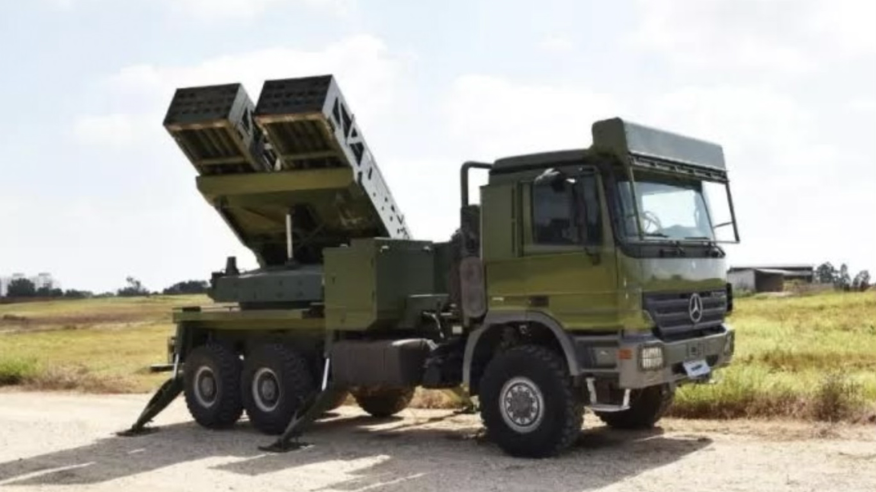
EM&E Group and Rheinmetall Expal Munitions have added a new dimension to Spain’s uncertain SILAM programme by submitting a national alternative to the Ministry of Defence, aimed at reviving the Army’s rocket artillery capability on a fully Spanish technological base.
The joint venture has proposed a phased approach to the High Mobility Rocket Launcher System (SILAM), conceived as a sovereign programme aligned with Spain’s strategic interests. The proposal includes operational and test launchers, ammunition resupply vehicles, reconnaissance and command post vehicles, as well as the development and qualification of training and guided rockets. The objective is to achieve full technological maturity and ensure long-term sustainability of the system.
According to the companies, the initiative would restore a critical long-range firepower capability for the Spanish Army, which has lacked rocket artillery since the retirement of the Teruel systems. The SILAM programme has faced uncertainty in recent years, partly due to its reliance on Israeli technology.
6. Brazil’s F-39 Gripen-E achieves Full Operational Capability
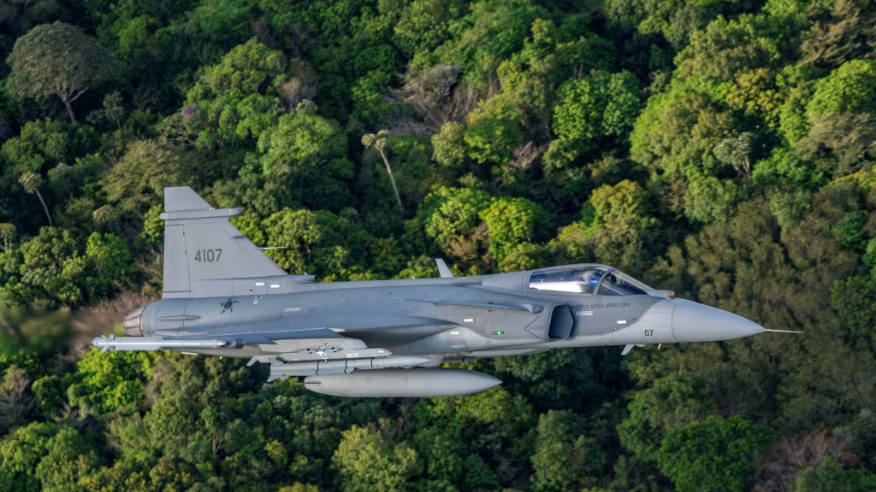
The Brazilian Air Force’s Saab F-39E Gripen fighters have officially achieved Full Operational Capability (FOC) following a series of certifications completed towards the end of 2025. According to a report by Zona Militar, this milestone marks the full maturation of the platform, with its principal subsystems now operational and combat-tested.
FOC was enabled by three key achievements during the year: certification of aerial refuelling with the Embraer KC-390 Millennium, the first live firing of the MBDA Meteor beyond-visual-range air-to-air missile, and the first air gunnery exercise using the aircraft’s internal cannon. Conducted in coordination with Embraer, Saab, and Brazil’s Department of Aerospace Science and Technology (DCTA), these trials confirm the Gripen’s technological maturity and its full integration into Brazil’s air defence framework.
Chakra Desk
Chakra News is a specialised digital media platform committed to in-depth coverage of India’s defence, national security, geopolitics, and critical technologies.




Comments