








Top Headlines: 14th January 2026

1. Indian Army fires at Pakistani drones in Rajouri district of J&K
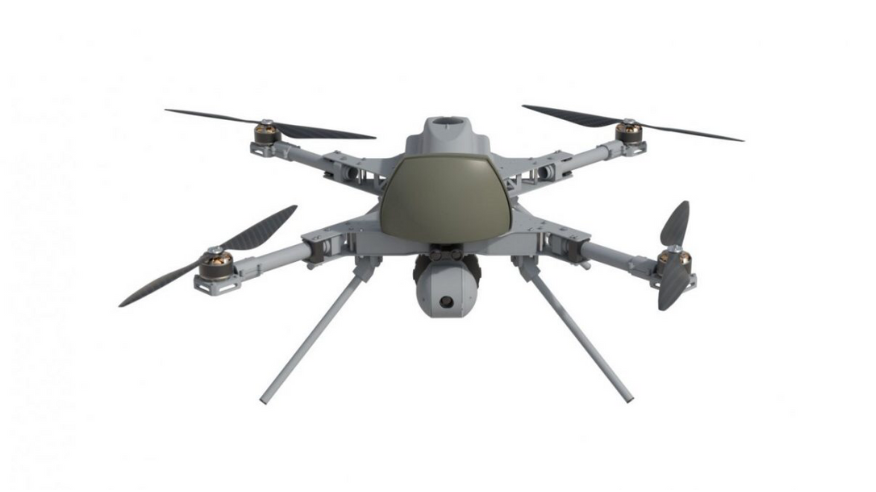
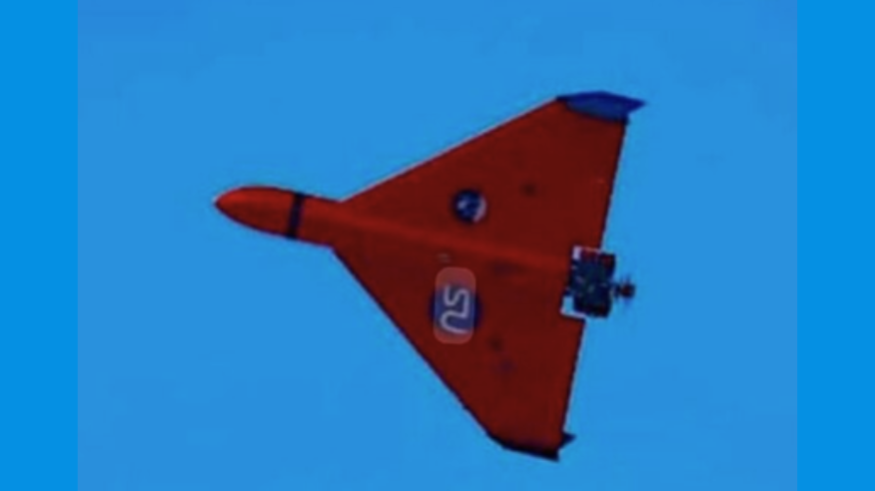
Indian Army troops opened fire to neutralise multiple suspected Pakistani drones that entered Indian territory across the Line of Control (LoC) in Rajouri district, Jammu and Kashmir, on the evening of January 13. The drones briefly hovered in the Manjakote sector before returning to Pakistan-occupied Kashmir (PoK). This is the second instance in three days of the Army firing at Pakistani drones in Rajouri district.
2. India considering raising rocket-cum-missile force: Chief of the Army Staff
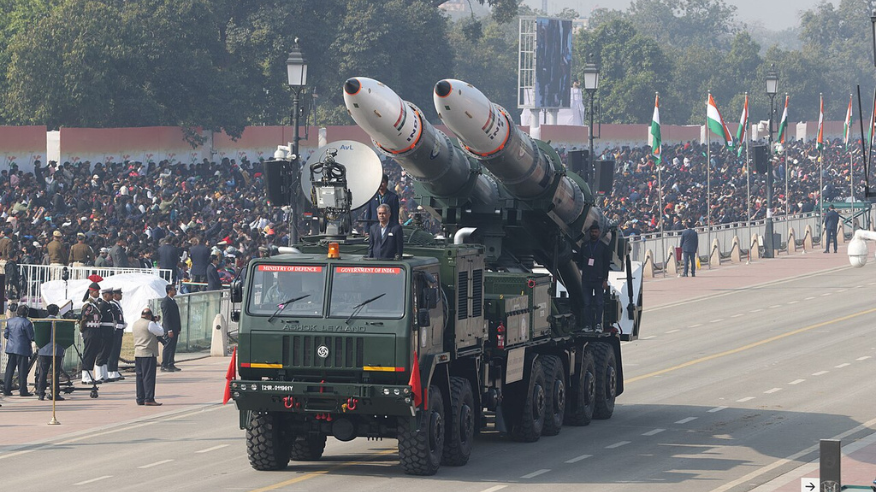
India is considering raising a “rocket-cum-missile” force in view of the evolving regional security environment, as both China and Pakistan have similar formations, Chief of the Army Staff General Upendra Dwivedi said on Tuesday.
“It is the need of the hour that we also have such a force,” General Dwivedi said while addressing a press conference ahead of Army Day.
“We are looking towards a rocket-missile force. Pakistan has established a rocket force, and China has also created one,” he added. China’s PLA Rocket Force (PLARF) is regarded as a potent arm of the Chinese military, with its combat capabilities steadily enhanced since 2016.
3. Stryker among options being evaluated: General Upendra Dwivedi, COAS
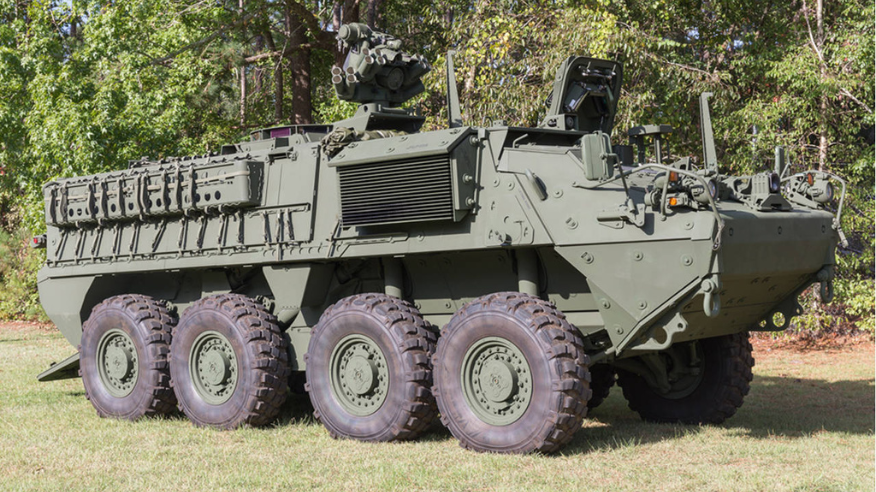
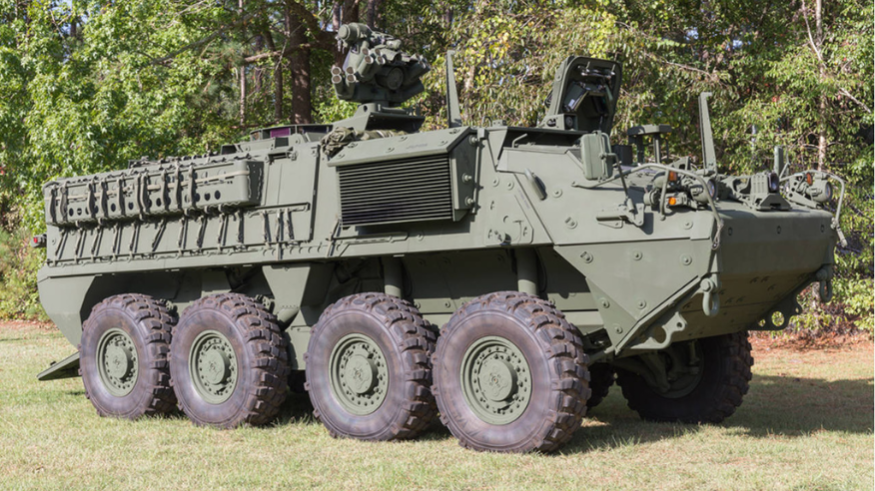
The Indian Army is evaluating the American armoured infantry combat vehicle Stryker as part of its procurement plans focused on the northern border with China, Chief of the Army Staff General Upendra Dwivedi said on January 13.
“Stryker is one of the options we are looking at because we need a platform that can be utilised effectively on the northern front,” he said at his annual press conference in the national capital.
“It should have the required capabilities in terms of protection, firepower and mobility. If there is an Indian option, we would prefer that. If not, we are looking at other options as well, and Stryker is one of them,” the Army Chief added.
4. India and France likely to sign Rafale fighter jet contract next month
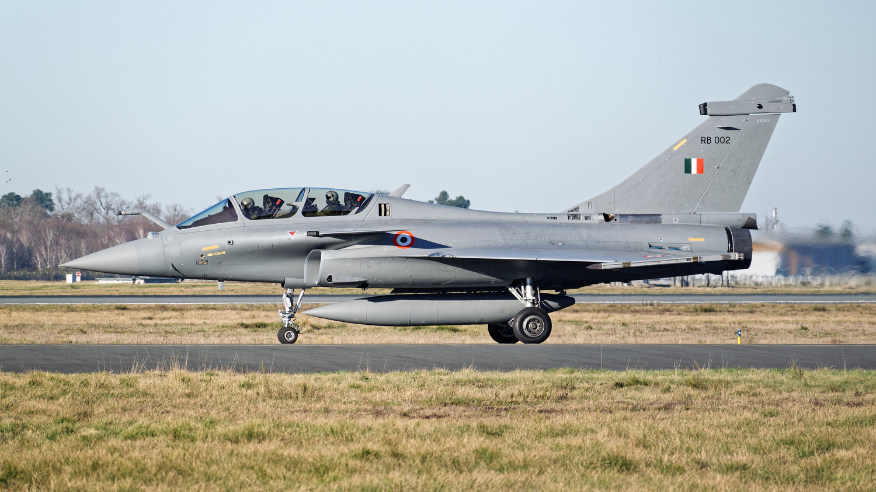
According to a report by Avionslegendaires.net, India and France are expected to sign the Rafale fighter jet contract in mid-February, during French President Emmanuel Macron’s visit to India. The agreement would involve 114 firm orders, marking the largest Rafale order ever placed with Dassault Aviation. A portion of the aircraft is expected to be manufactured in India under the “Make in India” programme.
ANI reported that the Ministry of Defence is set to discuss the Rafale deal this week. Indigenous content in the aircraft is expected to remain at 30 per cent, with source codes retained by France. If finalised, India’s total Rafale fleet would rise to 176 aircraft.
5. Lockheed Martin completes initial flight tests of NGSRI
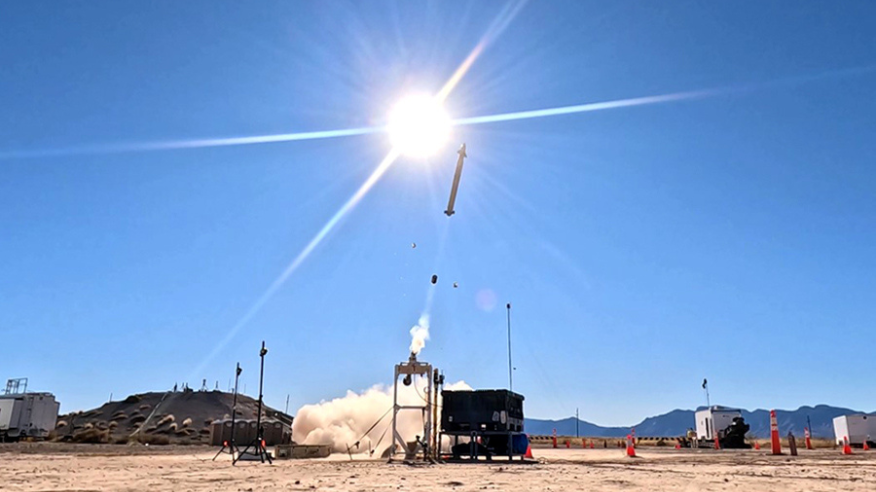
Lockheed Martin has successfully completed the first in a series of flight tests for its Next-Generation Short-Range Interceptor (NGSRI), a potential replacement for the Stinger missile. The milestone underscores the company’s efforts to advance interceptor technology to address emerging threats.
The test, conducted at the U.S. Army’s White Sands Missile Range in New Mexico, validated the interceptor’s performance and marked the maturation of key subsystems. NGSRI is designed to counter unmanned aerial systems, as well as rotary- and fixed-wing aircraft.
6. Rheinmetall to supply KF41 Lynx IFVs to Ukraine
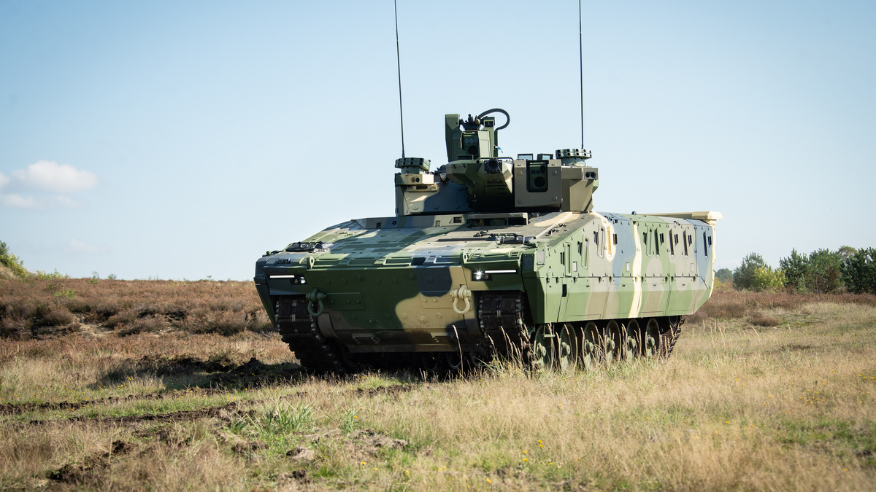
Rheinmetall will supply Ukraine with additional defence systems, including its first Lynx KF41 infantry fighting vehicles, expected to be delivered as early as early 2026. A contract for the initial batch was signed in December 2025, with the first five vehicles valued in the mid double-digit million euro range. The procurement is financed by the German government.
The Lynx KF41 was selected after extensive testing and will be equipped with the two-man Lance turret, customised for Ukraine’s armed forces. Further batches are planned, including potential production in Ukraine.
The Lynx family features a modular design using common role kits for different mission requirements. This approach reduces acquisition and lifecycle costs, with over 70 per cent commonality across vehicle variants.
Chakra Desk
Chakra News is a specialised digital media platform committed to in-depth coverage of India’s defence, national security, geopolitics, and critical technologies.



Comments