












Sagar Defence to build World’s First Autonomous Maritime Shipbuilding & Systems Centre in Andhra Pradesh

India will soon have the world’s first Autonomous Maritime Shipbuilding and Systems Centre.
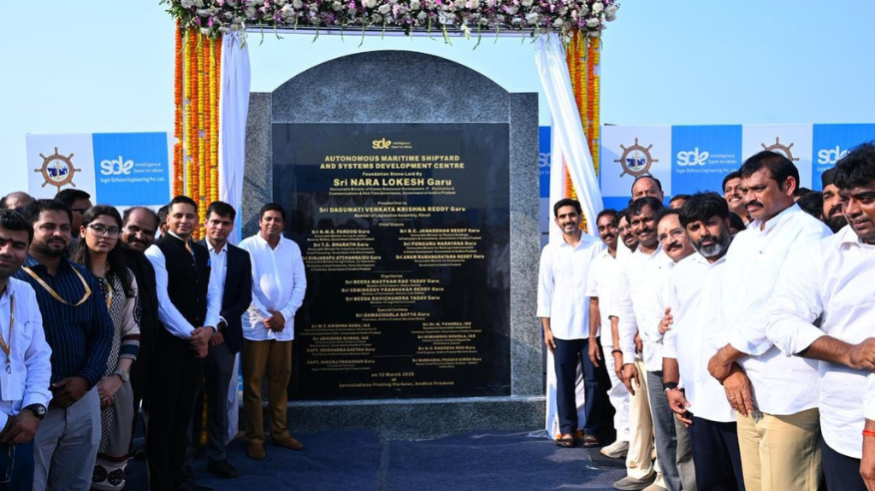
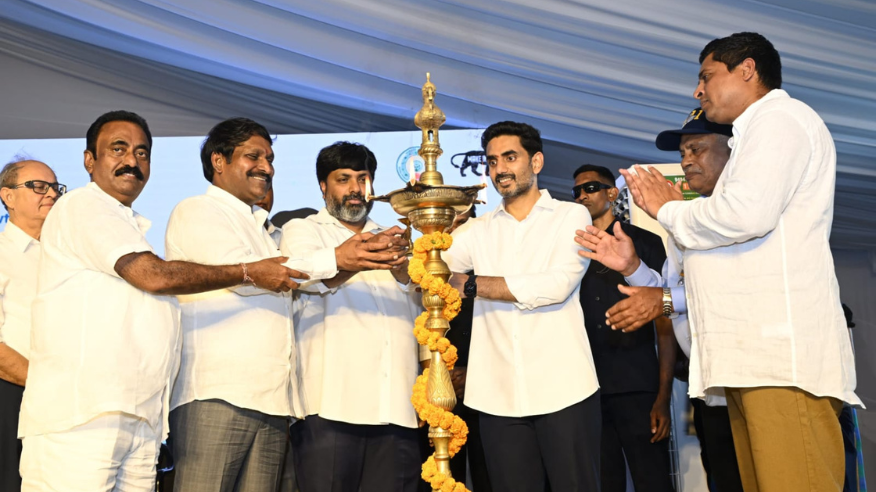
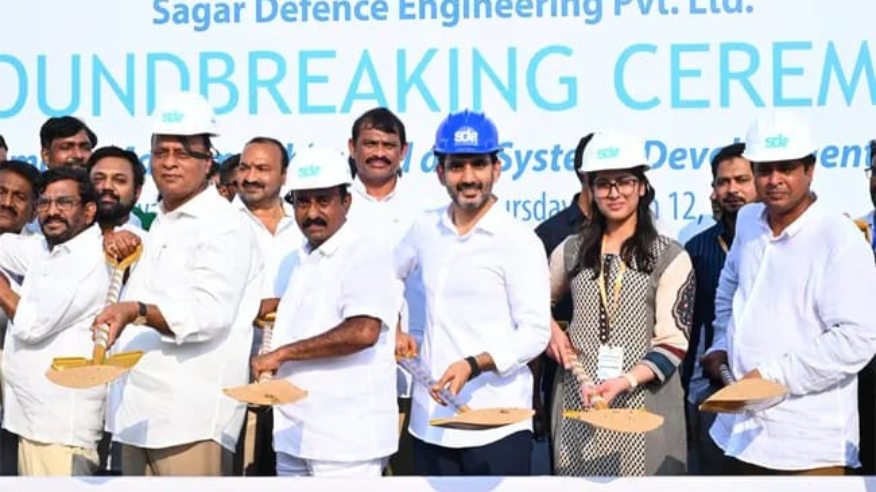
On March 12, an Indian defence start-up, Sagar Defence Engineering, conducting the stone breaking ceremony for the centre at Juvvaladinne Fishing Harbour in Andhra Pradesh
At first glance, it may sound like just another shipyard project. But the significance lies in what this facility is designed to build: autonomous and unmanned maritime systems.
Around the world, navies are increasingly turning to unmanned platforms. These include unmanned surface vessels, underwater drones and autonomous surveillance systems capable of patrolling vast stretches of ocean without putting sailors at risk.
The shift is already visible in conflicts and naval operations globally, where relatively low-cost autonomous systems are beginning to complement and sometimes even challenge traditional warships.
For India, this transition matters for several reasons.
First, maritime security is becoming more complex. The Indian Ocean is seeing expanding trade routes, rising naval deployments and growing competition among major powers. Autonomous systems could help India monitor these waters more efficiently, particularly along its 7,500-kilometre coastline.
Second is the issue of technological dependence. Many advanced unmanned maritime systems are still developed abroad. Building a domestic ecosystem for design, testing and manufacturing could reduce reliance on foreign suppliers and strengthen India’s defence indigenisation efforts.
The new facility is expected to integrate research, testing and production in one location, allowing autonomous vessels to be designed, built and trialled with direct sea access. This could significantly shorten development cycles for technologies such as unmanned surface vessels and autonomous underwater vehicles.
The implications also extend beyond defence. Autonomous systems can support fisheries monitoring, disaster response, offshore energy operations and environmental research.
The real challenge now is operationalising these capabilities. That means integrating unmanned platforms into the doctrines of the Indian Navy and Indian Coast Guard, while investing in AI, sensors, secure communications and swarm technologies needed for operations in contested waters.
Deepak Bhadana
Over the past decade, Deepak Bhadana has built expertise in multimedia storytelling, with a focus on military conflicts, insurgencies, international relations, the defence industry, and occasionally, wildlife and environmental issues.




Comments