












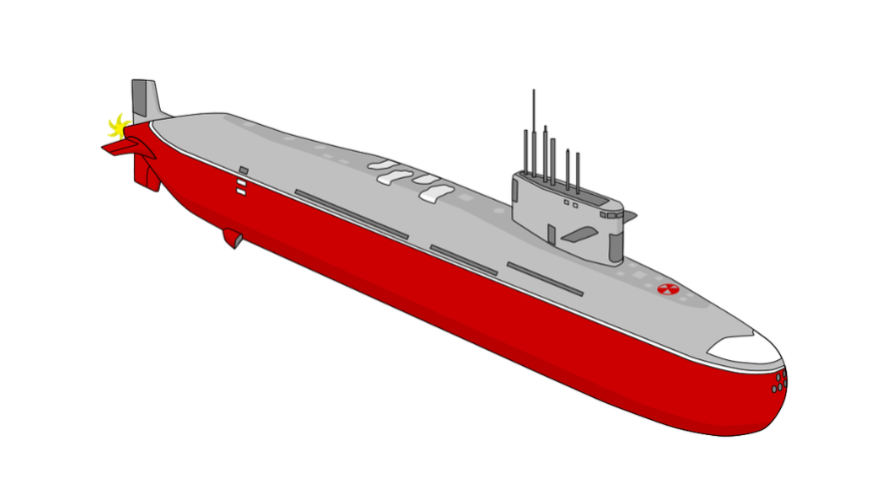
Lessons from India’s SSBN Programme

India’s SSBN programme stands out as a rare success in indigenous defence development. With INS Aridhaman joining INS Arihant and INS Arighat, India now operates three nuclear-powered ballistic missile submarines.
In contrast, progress on conventional submarines has been slow. A 30-year plan approved in 1999 to build 24 submarines by 2030 has faced repeated delays. While six Scorpène-class submarines have now been delivered, Project-75(I) remains under negotiation, with costs rising significantly.
The German Type-214 NG, equipped with Air Independent Propulsion, is expected to take at least seven years to enter service after contract signing. Meanwhile, DRDO is working on an indigenous AIP system.
India faces a choice: replicate the secrecy, continuity, and strategic clarity of the SSBN programme for conventional submarines, or adopt a spiral development approach similar to South Korea, which evolved from German designs to fully indigenous submarines now being exported globally.
Arjun Dev Singh
Arjun Dev Singh has a deep interest in defence, security, and strategic affairs. With a strong analytical lens and a passion for military and geopolitical developments, Arjun strives to bring clarity and context to complex national and international issues.



Comments