









Indian Army’s RPA Drone Breakthrough

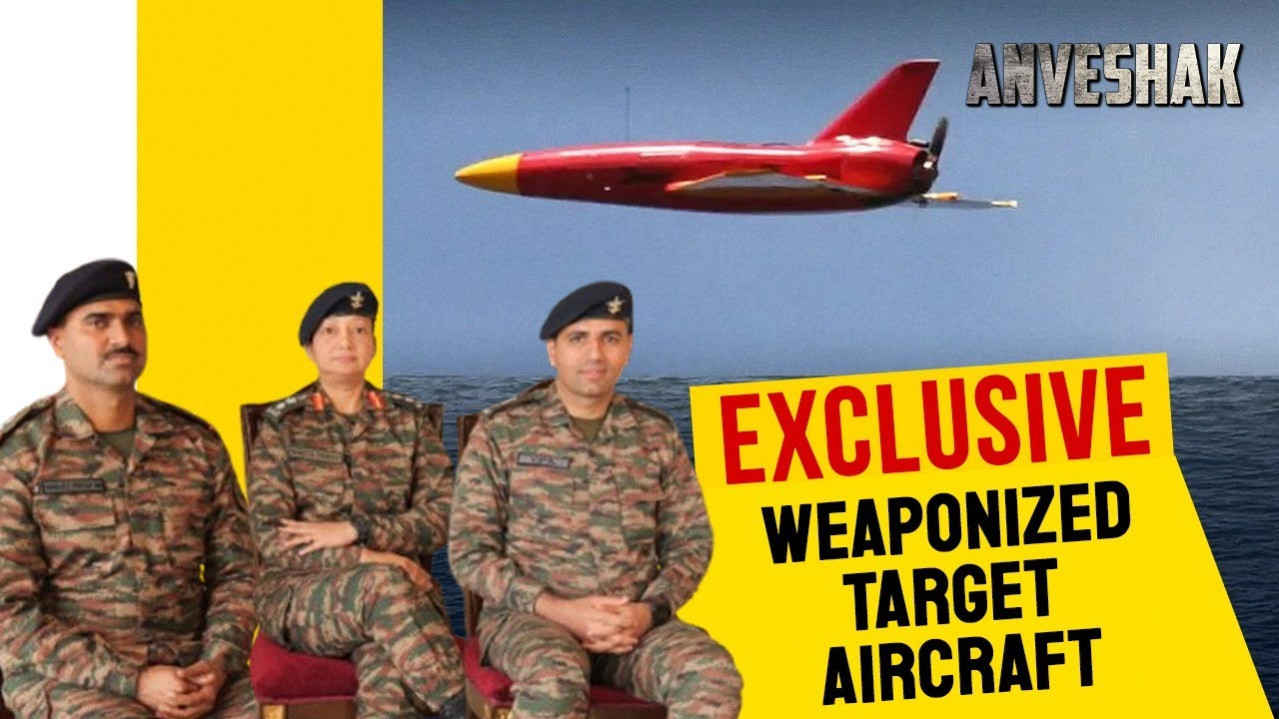
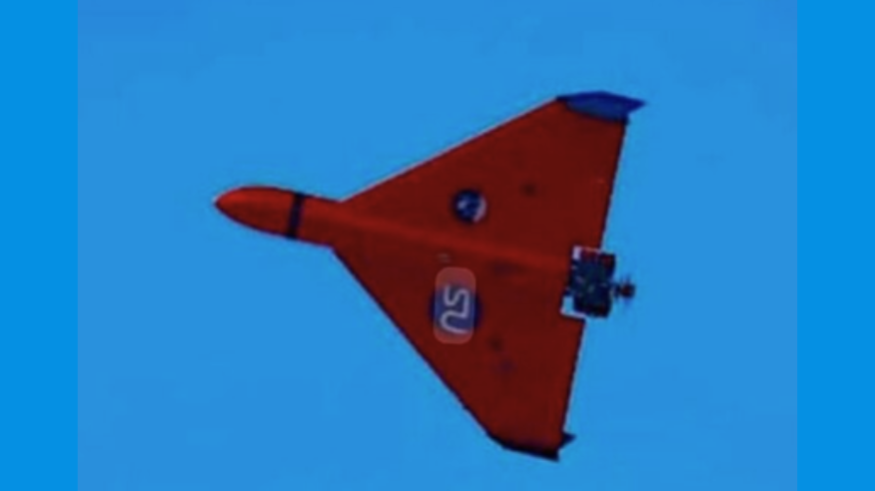
Remotely piloted target aircraft have traditionally served a single purpose — to train air defence crews, simulate threats, and then return home. They were never meant to fight. But as threat dynamics evolved and unmanned systems began shaping real combat outcomes, an important question emerged: could an existing training platform be repurposed for operational use? And more importantly, could this be done without redesigning the platform from scratch?
For three Indian Army soldiers, the drone had untapped potential in what was considered a non-combat platform.
Colonel Shweta Prabhati, Subedar Ran Vijay Pratap, and Lieutenant Colonel Vipul Vipin Rakheja transformed a training asset into a force multiplier capable of intelligence gathering, precision delivery, and keeping human operators far from harm.
The work began in 2023 when the team received a task to study various aerial target systems and examine how they could be utilised for combat employment.
As Colonel Shweta Prabhati explains, they set the process in motion and realised that modifications could be carried out on systems already available with them. That became the starting point.
This led to prototype development aimed at integrating an explosive payload and an ISR module into the existing system. These are strap-on modules. As part of the innovation, the platform now includes a module that can carry different types of payloads depending on operational requirements.
Lieutenant Colonel Vipul Vipin Rakheja says:
“We may have opened the door to even more possibilities, and once we are on that path, there is no looking back.”
Subedar Ran Vijay Pratap adds:
“AI plays a major role. We will have to move forward step by step with it. The Army is always ready and will continue to remain ready. Technological advancements are pushing us to look for solutions in the technological domain, and such solutions come best when we understand our problems.”
At the point of decision, the payload can be jettisoned because the team has developed a circuit integrated with the existing software used to operate the system. The ISR module consists of a camera fitted onto the target aircraft, which flies at operational altitude and speed and provides a real-time video feed without latency.
Colonel Shweta Prabhati offers advice to innovators:
“They should think smart, stay focused, and remain consistent. There may be certain opportunities that people miss, but we should focus on the opportunities that we currently have or may receive in the future.”
Watch the full episode: https://www.youtube.com/watch?v=qe9n_BgyxyU&t=1s
Chakra Desk
Chakra News is a specialised digital media platform committed to in-depth coverage of India’s defence, national security, geopolitics, and critical technologies.


Comments