












DAC 2026: The one line that may change everything

On February 12th, The Defence Acquisition Council (DAC) 2026 recently accorded the Acceptance of Necessity (AoN) for various proposals of the Services at an estimated value of 3.6 Lakh Crore. One of the most overlooked but significant highlights was the approval of the 4-Mega-Watt Marine Gas Turbine-based Electric Power Generator for the Indian Navy.
Since Independence, India has largely relied on imported power generators and propulsion systems for its Navy and maritime capabilities. One of the earliest sources of maritime gas turbines was Zorya-Mashproekt, a Ukrainian turbine specialist that supplied Indian Navy warships with marine gas turbine plants. The Indian Navy currently operates a combined fleet of around 150 gas turbine plants developed and manufactured by the company. It remains a critical supplier, providing engines that power approximately 30 frontline warships, including major destroyers and frigates. INS Tushil, commissioned in December 2024, and INS Tamal, commissioned in July 2025, are among the latest stealth frigates powered by Zorya-Mashproekt M7N gas turbines, despite being built in Russian shipyards.
However, Russia’s strained relationship with Ukraine meant geopolitical disruptions directly affected India’s access to these engines. Reduced exports from Ukraine created supply chain risks for the Indian Navy, amplifying India’s sense of vulnerability in an increasingly contested maritime domain.
To mitigate reliance on a single source, India diversified procurement. From the late 1990s onwards, the Navy began operating General Electric (GE) LM2500 marine gas turbines, sourced from the United States and assembled domestically at Hindustan Aeronautics Limited (HAL) under licence.
The LM2500, a 4.5 MW engine, has become the workhorse of the surface Navy, powering the P17 Shivalik-class frigates, P17A Nilgiri-class frigates, and INS Vikrant, with four LM2500 units delivering up to 88 MW of installed power. On 17 October 2024, GE Aerospace was selected to power the Navy’s Next Generation Missile Vessels (NGMV) being built by Cochin Shipyard Limited. Six LM2500 engine kits are to be delivered for assembly and testing by HAL’s Industrial and Marine Gas Turbine Division in Bengaluru. To date, GE Aerospace has delivered 24 such kits to HAL for the Indian Navy.
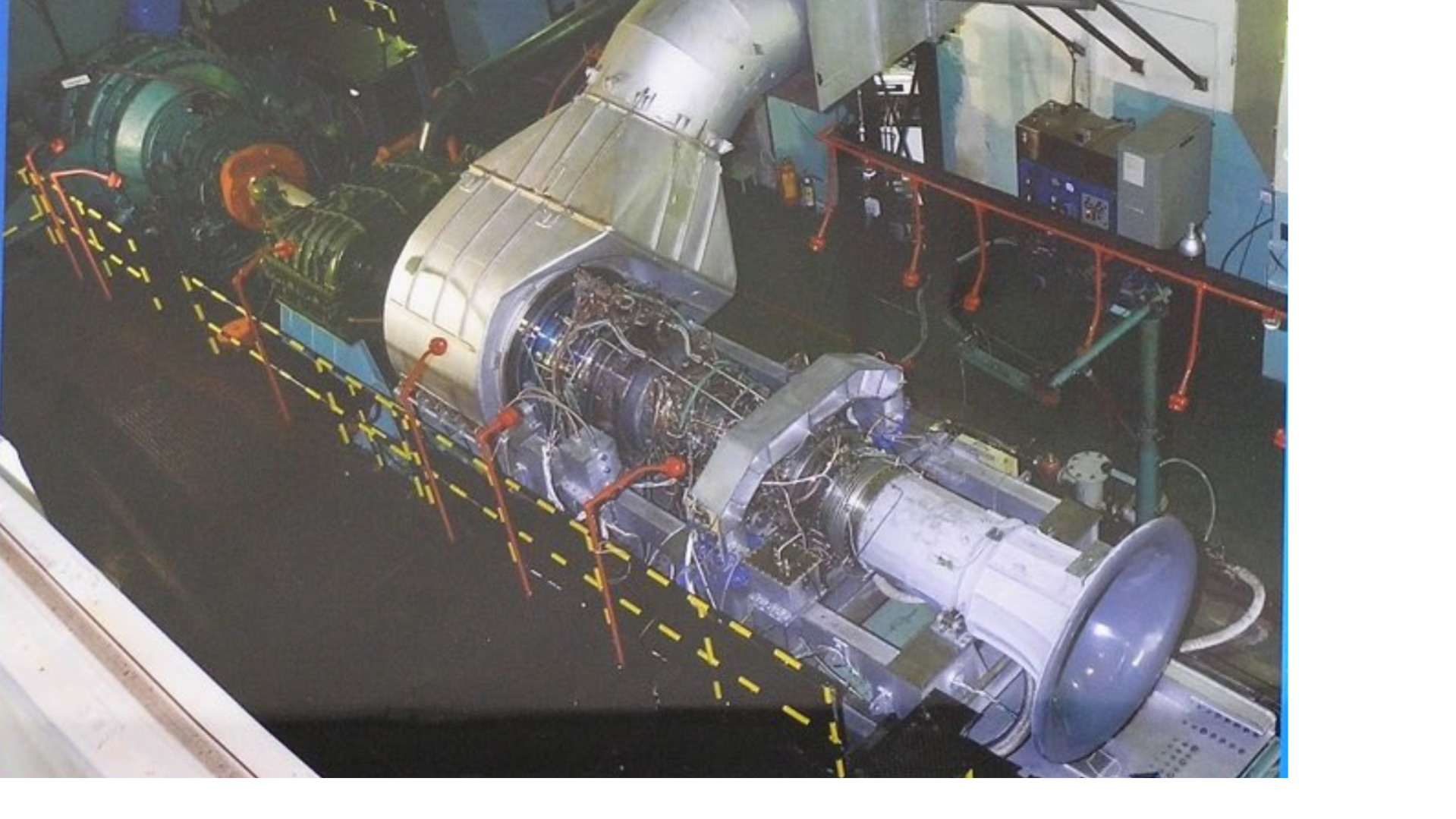
While these foreign generators powered India’s fleet, scientists at Defence Research and Development Organisation (DRDO) worked for years on the Kaveri engine for aircraft, and later its marine counterpart, the Kaveri Marine Gas Turbine (KMGT). Although the KMGT demonstrated 12 MW of shaft power at the Naval Dockyard in Visakhapatnam, it fell short in endurance and thermal efficiency, making the project only partially successful.
This is why the approval to build an indigenous 4 MW engine is so important. Though a small line item within a ₹3.60 lakh crore defence capital acquisition package, it carries significant strategic implications. Under the Make-I category of the Defence Acquisition Procedure (DAP 2020), the project will directly strengthen the domestic defence industrial base by involving PSUs such as HAL and BHEL, along with private sector partners. It also reduces dependence on foreign suppliers while helping build a robust domestic supply chain for propulsion technology—enabling India to build, sustain, and upgrade warships without being constrained by export controls or foreign policy risks.
While the 4 MW gas turbine engine may appear modest, it represents a clear shift from dependency to indigenous power generation capability. If successfully developed and scaled, this programme will not just power a ship’s electrical systems—it will power India’s march towards self-reliant defence propulsion and maritime strength in the decades ahead.




Comments