










The Water Corridor Linking Two Wars

Washington has imposed sanctions and blockaded Iranian ports, choking access through the Strait of Hormuz. But there is another route to Iran's north that has helped keep Tehra in the fight.
It is the Caspian Sea, a landlocked waterway connecting Iran and Russia, beyond the reach of the US naval blockade.
But why is this waterway so important? Because it connects two wars.
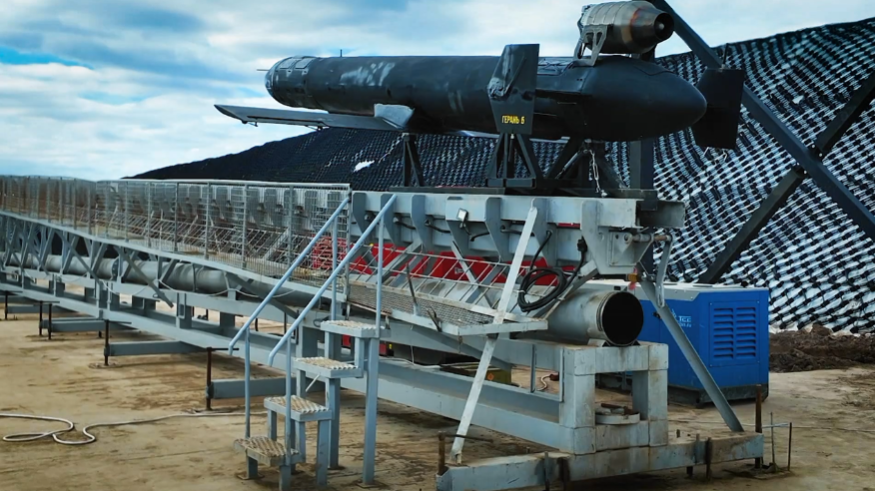
Since Russia invaded Ukraine in 2022, Iran has used this route to send Shahed drones, ammunition and military technology north. Reported shipments in 2023 alone included more than 300,000 artillery shells and a million rounds of ammunition.
But the traffic is no longer just moving north. It is now flowing south, too.
Russian-linked networks have helped Iran obtain drone components, explosives, machinery and other military equipment. A Reuters investigation found that at least $2 billion worth of such equipment reached Iran since January 2025, using Russian ships, Central Asian trucks and Chinese cargo flights.
In other words, sanctions have made these shipments more difficult and expensive, but they haven't stopped them.
And there is another connection between these two wars. The same corridor that helped Iran arm Russia has now become a supply route sustaining Iran. It has also become a target. On July 25, 2026, Ukrainian long-range drones struck an Iranian-flagged cargo ship in the Caspian Sea.
And it matters to India, too. The Caspian is a key link in the International North-South Transport Corridor, connecting Indian ports through Iran to Russia. Any wider sanctions or restrictions on shipping could disrupt India's trade and its plans for greater connectivity with Eurasia.
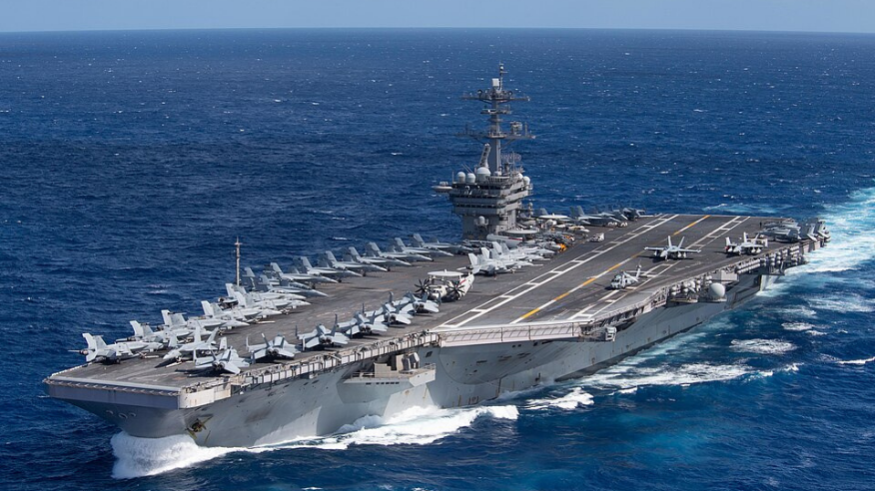
Which brings us to Washington's latest move. On November 7, CENTCOM announced Task Force Iron Gate, a roughly 20-person team based in Tampa. Its job is to coordinate with US agencies to disrupt weapons, dual-use technology, sanctioned materials and illicit finance moving through Iran's land borders and the Caspian.
But can a 20-person team actually shut down this corridor?
There is no announced naval force to intercept ships at sea. Its success will depend on intelligence, financial pressure and cooperation from transit countries none of which is guaranteed.
The Caspian has become a strategic back door for both Iran and Russia.
Washington may be able to narrow it. But closing it will be far harder
Deepak Bhadana
Over the past decade, Deepak Bhadana has built expertise in multimedia storytelling, with a focus on military conflicts, insurgencies, international relations, the defence industry, and occasionally, wildlife and environmental issues.



Comments