






Use BCCI model to drive military innovation: Former DG Artillery
A Former Director General Artillery has suggested the army use the BCCI model of creating a talent pipeline. Cricketers today move rapidly from local T20 tournaments to the Indian Premier League (IPL) and finally to the national test team in just a couple of years.
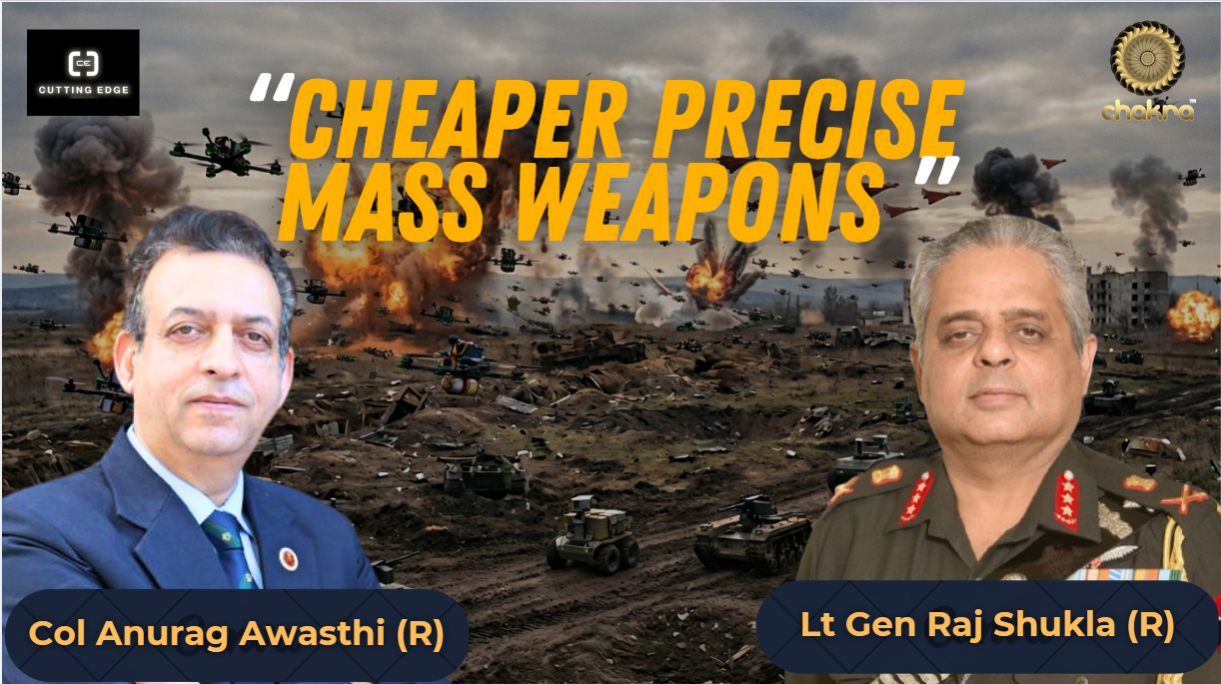
Speaking on The Sandeep Unnithan show, Lt General PR Shankar suggested the military adopt this model by tapping innovation within the services and embedding change at ground level— the battalions and units that make up the field army.
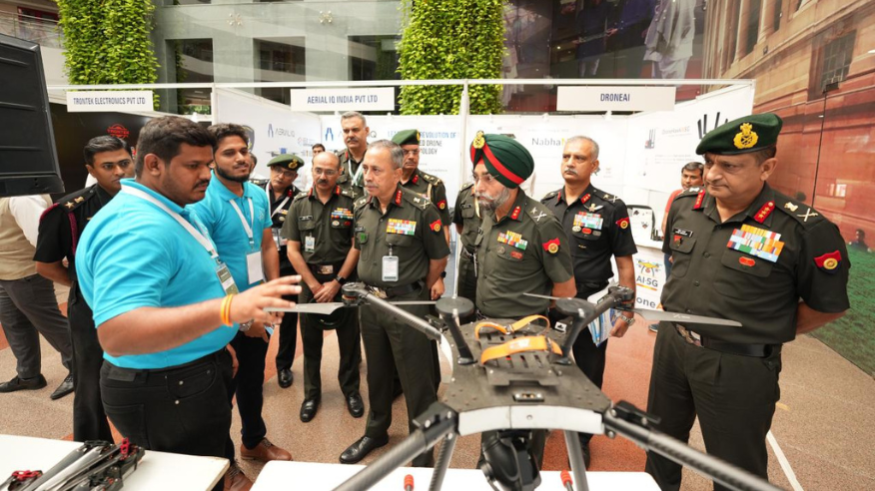
“Startups must be brought in with solutions and allowed to innovate directly within battalions and units. This moves the innovation from penny packets of technology to integrated, field-tested solutions,” Lt General Shankar said.
Young officers and personnel should be put on internships within their units, tasked with collaborating with the Commanding Officer (CO) to develop simple, small technological solutions, even something as basic as automating cooking. A program must be created to enable the CO to spend money to acquire these small-scale technologies, he suggested. Successful breakthroughs at the unit level could then be adopted across an entire brigade. General Shankar said the Army needs mechanisms to embed this thinking and exploit the immense capability of its men, arguing that the system is currently not tapping it.
He argued that while there is a desire for change among military and national leaders, the existing structures and procedures from the Ministry of Defence (MoD) to the military bureaucracy are not tuned to the speed and nature of modern technological disruption. He argued against the belief that soldiers are not technically qualified, recalling how Indian Jawans successfully mastered the highly advanced Bofors gun during the Kargil conflict.
To illustrate the necessary speed and focus, Gen. Shankar employed the cricketing analogy, comparing the current slow, drawn-out processes to a test match rather than the desired T20 pace required for modern warfare.
Two main obstacles prevented the transference of concepts to ground realities: The first one is the lack of competence in transference. He pointed out a deficiency in the competence of individuals within the system who "only read these technologies in glossies" but lack the deep understanding to convert them into field-level applications and capabilities. The second one is structural resistance and interests. He argued that established government and military structures are resistant to disruptive technologies because they fear being disrupted themselves. These entrenched "interests" do not allow new entrants into the system easily.
General Shankar emphasized that the burden of breaking through these barriers lies with the user Armed Forces. “The military must be willing to break rules, regulations, and form new ones." He believes that change is dependent on a paradigm shift in thinking among the junior and mid-level military and civilian bureaucracy. Continuing the same failed processes will inevitably lead to the same unsatisfactory results.
Watch: https://www.youtube.com/watch?v=hR2ISlPRS04
Arjun Dev Singh
Arjun Dev Singh has a deep interest in defence, security, and strategic affairs. With a strong analytical lens and a passion for military and geopolitical developments, Arjun strives to bring clarity and context to complex national and international issues.





Comments