






Turning Point on the Durand Line

The Af-Pak war has reached a new level of escalation.
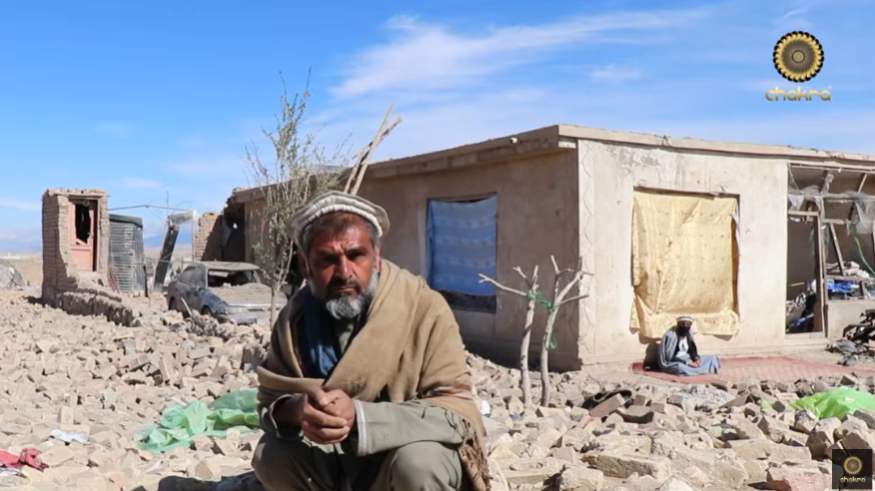
“After the bombing, they said we hit ISIS. Children are not here—are they ISIS? Am I ISIS? My daughter, my brother, my family—are they ISIS?” asks 45-year-old Homayon.
20 year old Nyamatullah, mutters in a quiet voice, “They (the authorities) should take revenge and not let them get away with this. ”
The Afghanistan-Pakistan War reached a new point of escalation on the night of March 16, 2026. A Pakistani airstrike hit a medical facility in Kabul. According to the authorities, over hundreds of civilians were killed. Pakistan says it struck militant infrastructure.
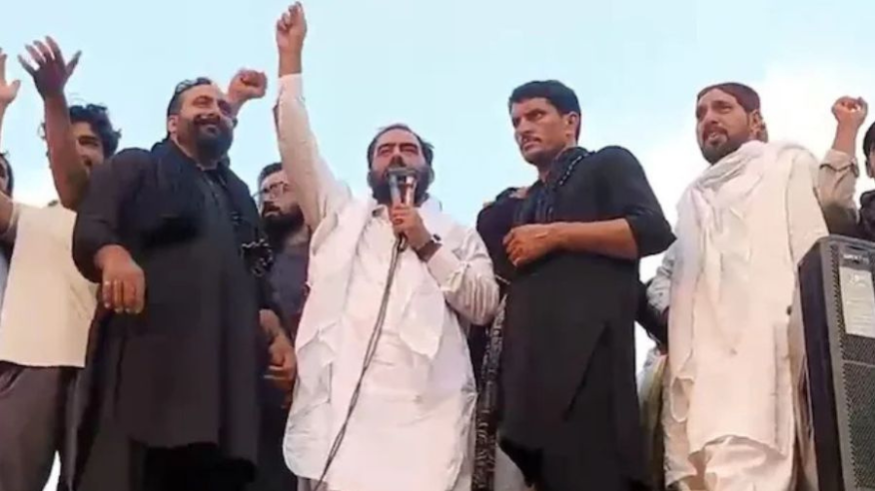
Afghan authorities deny allowing such groups to operate from their territory. “Pakistan continues to violate Afghanistan’s sovereignty without presenting any evidence. These attacks are a deliberate repetition of cruelty against civilians. The international community must raise its voice against these inhumane actions. Peace is not possible unless these attacks stop. Afghanistan will continue its legitimate and proportionate right to self-defence,” said Amir Khan Muttaqi, Minister of Foreign Affairs of Afghanistan, in a statement after the strike.
Pakistan maintains that it is targeting militant networks supported by Afghanistan, such as the Tehreek-e-Taliban Pakistan and Islamic State Khorasan Province.
For its part, the United Nations has confirmed casualties, but says the full scale remains unclear.
The Human Cost
Across Kabul and eastern Afghanistan, residents have reported multiple strikes, many in residential areas. strikes late at night, homes damaged or destroyed, and little clarity on what was being targeted.
According to the United Nations, at least 76 civilians have been killed and over 200 injured since the fighting intensified in February. These are verified figures—and likely an undercount.
More than 115,000 people have been displaced, many of them women and children. In some cases, families forced out by last year’s earthquake are now being displaced again.
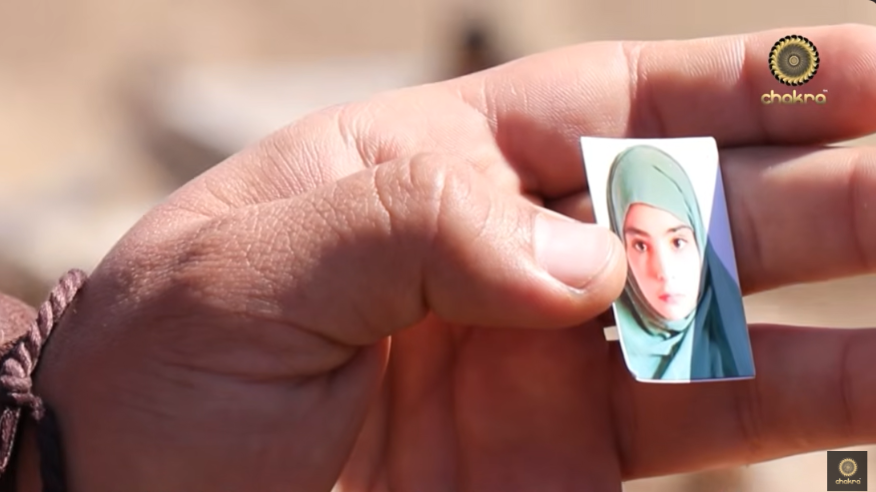
Hamyon, a 45-year-old driver from Laghman province now living in Kabul, is among those affected. Six members of his family were injured in the blast, including his two daughters, his brother, his sister-in-law, and two young nephews.
“My daughters were treated and discharged. My sister-in-law had a head injury. We had to take her to a private healthcare centre during the day.”
“In total, around 20 people were injured in our area,” he notes.
A few houses away in the neighbourhood, Nyamatullah, was awake when the strikes occurred. “I was up till 11:30 preparing for an exam. Around midnight, we heard the blast and saw fire. It felt like everything was burning.”
“When I woke up, there was smoke everywhere. I went to the other room to check on my father. He cannot see. He was under broken glass....I don’t remember what happened after that. When I opened my eyes, I was in Wazir Akbar Khan hospital.”
He recalls a child who was brought in the same ambulance. “One small child was with me. By morning, he had died.”
An unstable ceasefire
Far away in Islamabad, reports suggest another ceasefire appears to be in the offing. But will that suffice? The attacks on civilians and growing anger and resentment will only feed the unending war on the Durand Line
Chakra Desk
Chakra News is a specialised digital media platform committed to in-depth coverage of India’s defence, national security, geopolitics, and critical technologies.



Comments