


India’s HADR ops in Sri Lanka can't be separated from political realities: IPKF veteran
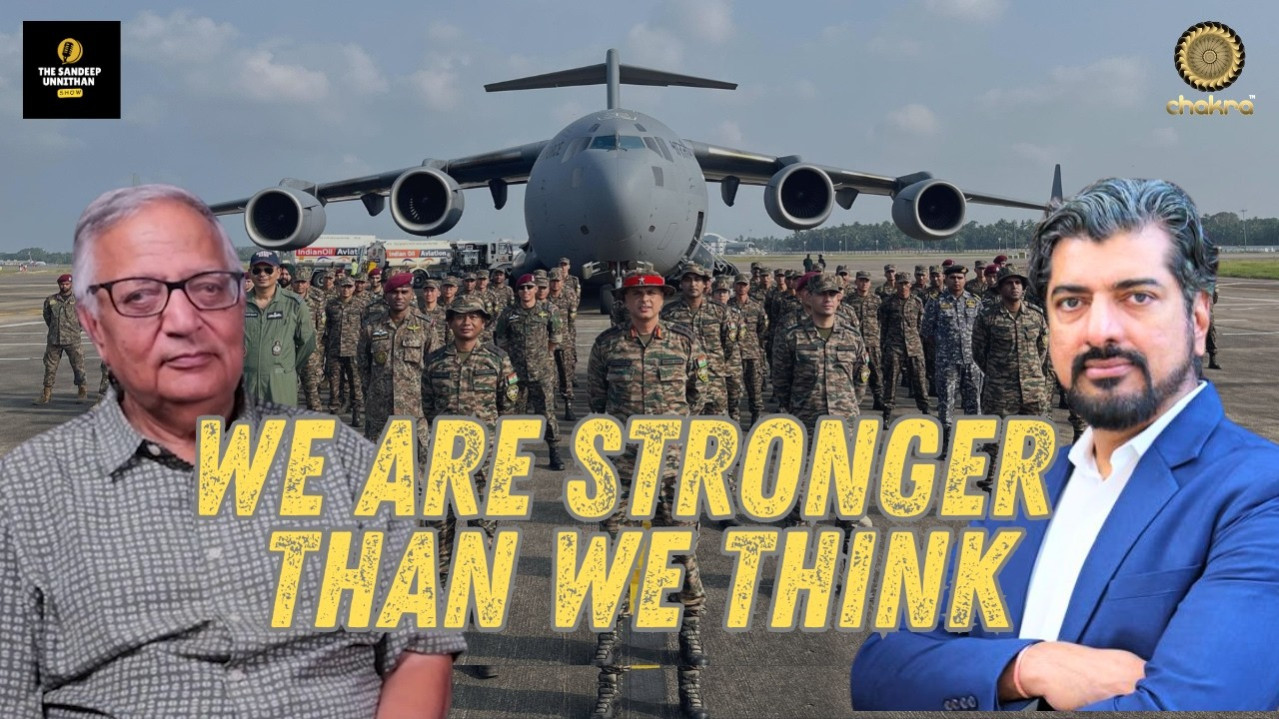
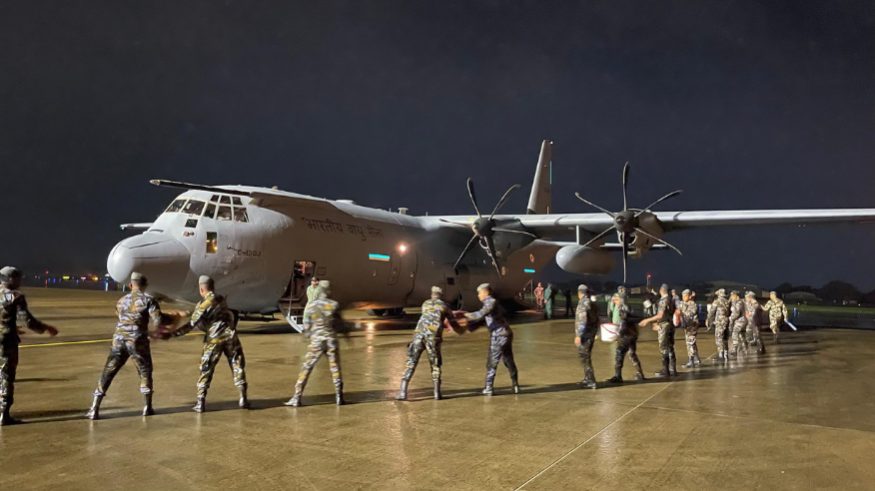
Sri Lanka has been severely affected by the cyclones and floods caused by Cyclone Ditwah. At least 334 people have been killed, and thousands have been displaced. India was the first responder to assist Sri Lanka during the crisis. India has launched Operation Sagar Bandhu using all three services for HADR (Humanitarian and Disaster Relief) operations. The aircraft carrier INS Vikrant, with 80 personnel from the NDRF, C-130J, and Ilyushin Il-76 Gajraj aircraft of the Indian Air Force carrying 21 tons of relief supplies, were deployed. Mi-17 V-5 helicopters of the IAF have also been deployed.
This is India’s largest deployment since Operation Pawan in 1987, when Indian Peace Keeping Forces were deployed on the island to help quell the civil war between the Tamil and Sinhala communities. It was India’s first major overseas military campaign post-Independence and was launched under the Indo-Sri Lanka Accord of July 29, 1987. Over 100,000 Indian troops were sent into Sri Lanka to disarm the Tamil militant groups, including the Liberation Tigers of Tamil Eelam (LTTE), and restore peace. The mission soon escalated into intense counterinsurgency combat as the LTTE turned hostile. IPKF troops captured the city of Jaffna on October 26, 1987. Operation Pawan formally ended on March 24, 1990, with the withdrawal of the IPKF. (India lost 1,165 IPKF officers and soldiers and saw over 3,000 wounded in this deployment).
India’s approach to HADR (Humanitarian Assistance and Disaster Relief) in Sri Lanka cannot be separated from the political realities that have shaped the island’s ethnic question. Based on my experience on the ground, three points remain central.
First, there must be a genuine understanding and compromise between the Tamil community and the Sinhala leadership. Expecting full autonomy on one side and insisting on a single, indivisible political structure on the other makes meaningful progress nearly impossible. Without compromise, even well-intentioned relief efforts inevitably become weighted in favour of the government of the day—something repeatedly visible, especially along the East Coast, which bears the brunt of the northeast monsoon and was devastated during the 2004 tsunami.
Second, much of the discourse surrounding the 13th Amendment (made to the Sri Lanka constitution 1987 which promised to devolve authority to the provincial councils) is unrealistic. India may continue to invoke it loudly, but from my time posted in Sri Lanka, it was clear that the amendment was a non-starter. Both sides know this, yet neither publicly acknowledges it. Without confronting this reality, political reconciliation will remain stalled.
Third, those who have lived, worked, and written honestly about the conflict have consistently pointed out the complex, often contradictory nature of Sinhala politics. Even respected observers—some of whom are no longer with us—have noted this. I do not disagree with their conclusions.
The new JVP-NPP government of Anura Dissanayake has brought some hope for solving the decades-old question of the rights of Tamils in Sri Lanka.
Separately, the recent decision of the Chief of the Army Staff to pay homage at the National War Memorial to the veterans of Operation Pawan is a welcome and long-overdue step. It is noteworthy that the present Lieutenant General Pushpendra Pal Singh, Vice Chief of Army Staff, a Para Commando and gallantry award winner in Sri Lanka, has likely played a key role in reviving institutional recognition of the sacrifices made by the IPKF.
Brig. Ravi Palsokar (Retd.)
Brigadier Ravindra Palsokar commanded the 7th Infantry Brigade during the IPKF operations in Sri Lanka (1987-89)



Comments