












Top Headlines: 31th March 2026

1. GRSE delivers fourth ASW SWC INS Agray to the Indian Navy
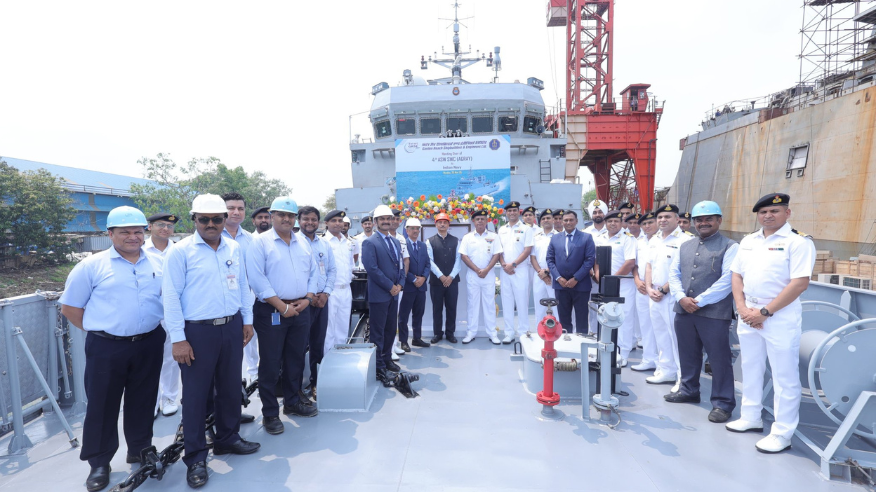
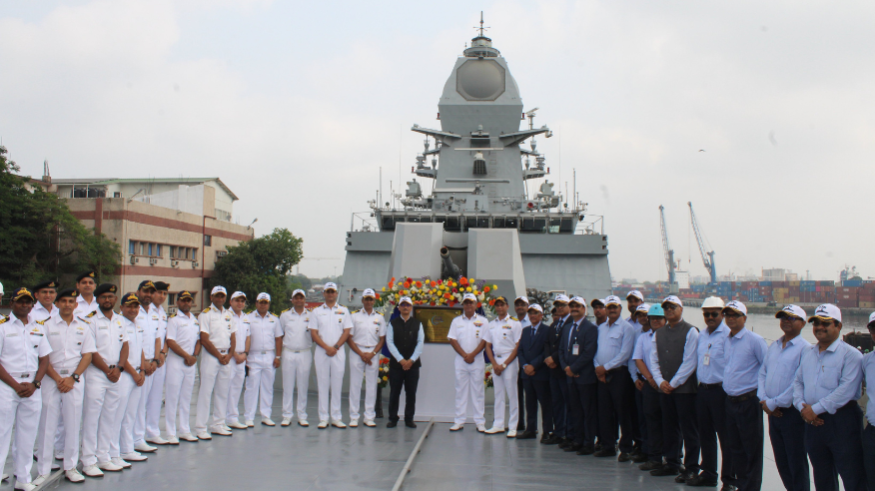
INS Agray, the fourth of eight indigenously built Anti-Submarine Warfare Shallow Water Craft (ASW SWC) by Garden Reach Shipbuilders & Engineers Limited (GRSE), Kolkata, was delivered to the Indian Navy on 30 March in Kolkata. Equipped with advanced sensors and modern weapon systems, the ship will further augment the Navy’s anti-submarine, mine-warfare, and Low Intensity Maritime Operations (LIMO) capabilities. The vessel is a reincarnation of the erstwhile INS Agray, a 1241 PE-class patrol vessel decommissioned in 2017, continuing the naval tradition of preserving distinguished legacy names.
2. GRSE delivers INS Dunagiri, the fifth Nilgiri-class stealth frigate, to the Indian Navy
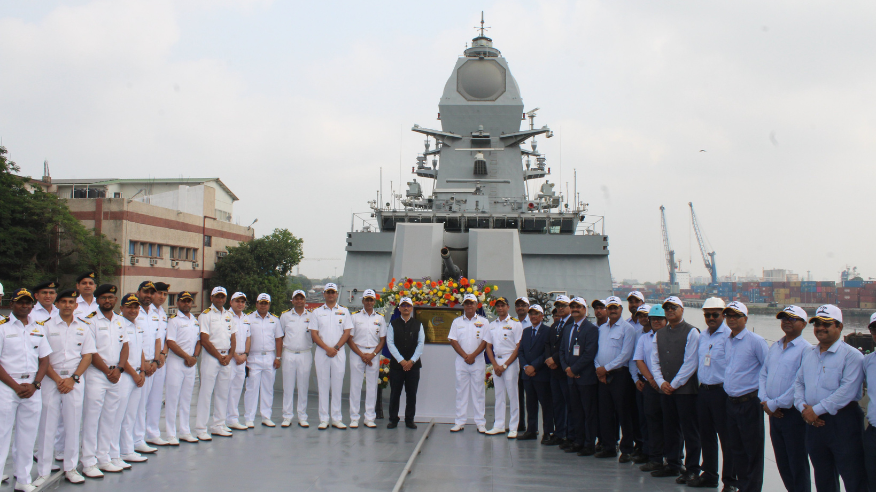
Dunagiri (Yard 3023), the fifth ship of the Nilgiri-class (Project 17A) and the second of the class built at GRSE, was delivered to the Indian Navy on 30 March in Kolkata, marking a significant milestone in achieving self-reliance in warship design and construction. Project 17A frigates are versatile multi-mission platforms designed to address current and future maritime challenges.
Dunagiri is a reincarnation of the erstwhile INS Dunagiri, a Leander-class frigate that served in the Indian Navy from 5 May 1977 to 10 October 2010, completing 33 years of distinguished service. This state-of-the-art frigate represents a quantum leap in naval design, stealth, firepower, automation, and survivability, and stands as a strong symbol of Atmanirbhar Bharat in warship building. Designed by the Warship Design Bureau (WDB) and overseen by the Warship Overseeing Team (Kolkata), Project 17A frigates reflect a generational advancement in indigenous ship design, stealth, survivability, and combat capability.
3. GRSE delivers three frontline warships to the Indian Navy
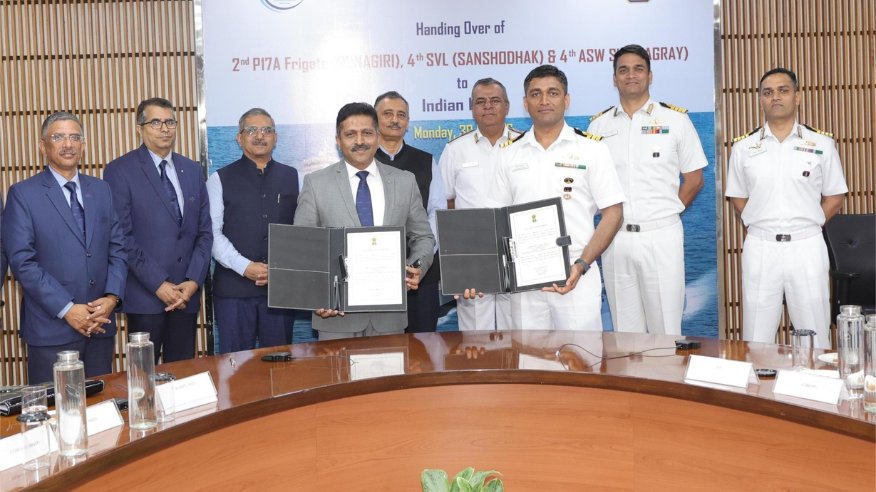
GRSE delivered three frontline naval platforms, INS Dunagiri, INS Sanshodhak, and INS Agray, to the Indian Navy on 30 March. This first-of-its-kind achievement underscores GRSE’s strengthened execution capabilities, enhanced production capacity, and ability to deliver multiple complex naval platforms within aligned timelines, reinforcing its commitment to efficiency and operational excellence. With these deliveries, GRSE has reached the milestone of building 118 warships, including 80 for the Indian Navy.
The deliveries were formally accepted on behalf of the Indian Navy by Rear Admiral Gautam Marwah, VSM, Chief Staff Officer (Technical), Headquarters Eastern Naval Command, for INS Dunagiri and INS Agray, and by Commodore Shishir Dixit, Chief Staff Officer (Technical), Headquarters Eastern Naval Command, for INS Sanshodhak.
4. Exercise Sea Dragon 2026 concludes
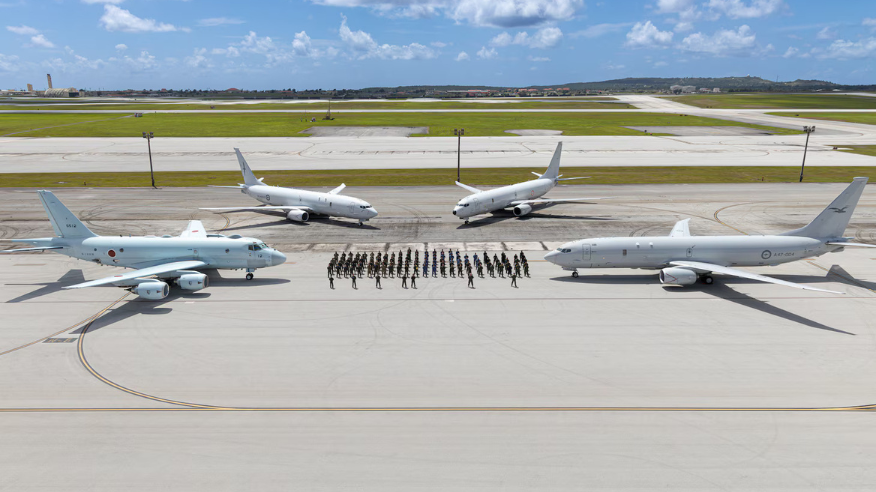
Exercise Sea Dragon 2026 concluded at Andersen Air Force Base on 28 March, marking the completion of 20 days of intensive multinational anti-submarine warfare (ASW) training. Hosted by Commander, Task Force 72, the exercise saw participation from U.S. Navy P-8A Poseidon aircraft (VP-4 and VP-45), along with P-8A aircraft from the Indian Navy, Japan Maritime Self-Defense Force (JMSDF), Royal Australian Air Force (RAAF), and Royal New Zealand Air Force (RNZAF).
Sea Dragon 2026 further enhanced shared maritime domain awareness and interoperability developed in previous iterations, improving participating nations’ ability to conduct multinational ASW operations in a complex and dynamic environment.
5. Israel Ministry of Defence signs deal with Elbit Systems for 155 mm artillery shells
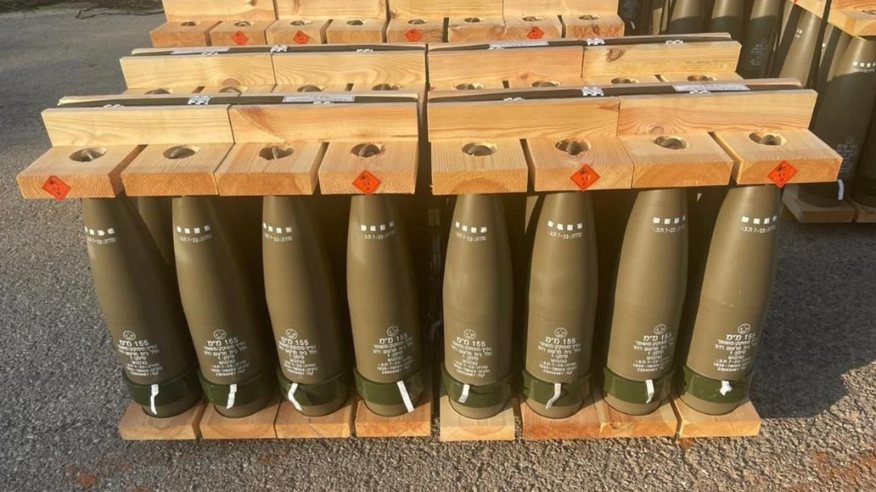
The Israel Ministry of Defence (IMOD) signed a $48 million deal on 30 March to procure tens of thousands of 155 mm artillery shells from Elbit Systems. The deal is being led by the Ministry’s Deputy Head of the Defence Procurement Directorate (DPD) for Land Procurement.
The munitions will be manufactured at Elbit facilities across Israel, where thousands of employees are working in three shifts around the clock at the Ministry’s direction.
6. Airbus “Bird of Prey” interceptor drone completes first demonstration flight
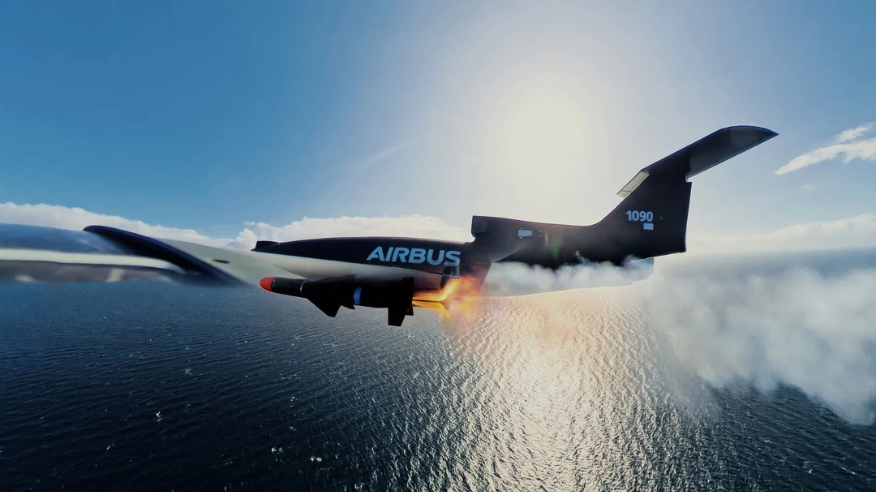
The Airbus “Bird of Prey” interceptor drone completed its first demonstration flight at a military training area in northern Germany on 30 March. In a realistic mission scenario, it autonomously searched, detected, and classified a medium-sized one-way attack (kamikaze) drone, and successfully engaged it using a Mark I air-to-air missile developed by partner Frankenburg Technologies.
The demonstration took place just nine months after the project began. Based on a modified Airbus Do-DT25 drone, the prototype features a 2.5-metre wingspan, 3.1-metre length, and a maximum take-off weight of 160 kg. While the prototype carried four Mark I missiles, the operational version will be capable of carrying up to eight. These high-subsonic, fire-and-forget missiles have an engagement range of up to 1.5 km, measure 65 cm in length, and weigh less than 2 kg, making them among the lightest guided interceptors developed to date.
7. Sikorsky and Robinson Helicopter Company unveil R66 TURBINETRUCK
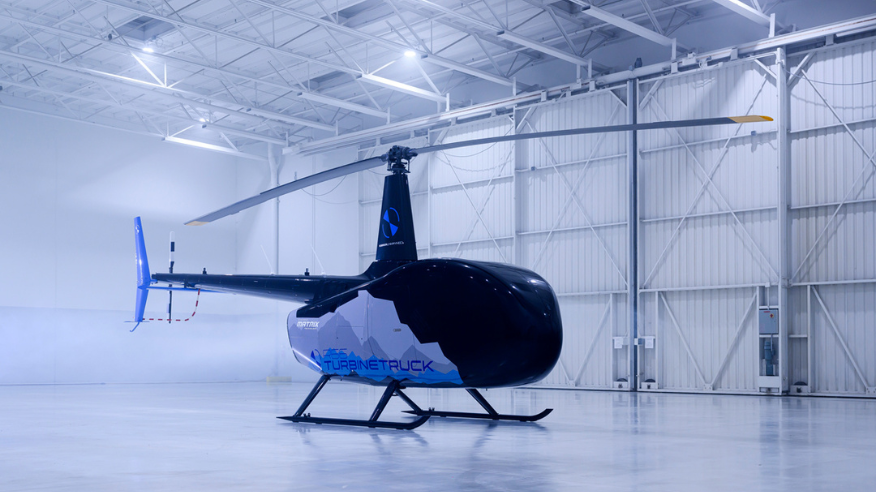
Sikorsky and Robinson Helicopter Company unveiled the R66 TURBINETRUCK, an autonomous cargo helicopter that combines Sikorsky’s MATRIX autonomy system with Robinson Unmanned’s new cargo UAS platform. Developed through a collaborative agreement, the R66 TURBINETRUCK is a flexible autonomous system designed for a range of utility missions, including cargo delivery and resupply for both civil and military operators.
The platform is the 21st aircraft enabled by the MATRIX system and leverages features from Sikorsky’s fully autonomous S-70 UAS U-Hawk. The MATRIX system has been validated across platforms ranging from small drones to strategic airlift aircraft, accumulating over 1,000 flight hours of operational data.
Chakra Desk
Chakra News is a specialised digital media platform committed to in-depth coverage of India’s defence, national security, geopolitics, and critical technologies.




Comments