








Experts Suggest 5 Ways to Prevent Flydubai-type Incidents

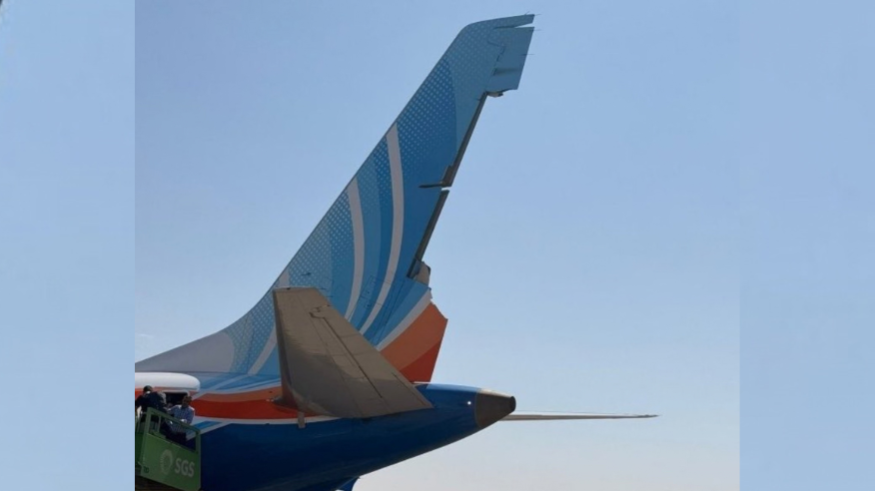
A Flydubai flight from Dubai to Tel Aviv was forced into an emergency on September 30 after its co-pilot allegedly attacked the pilot inside the cockpit. Indian pilot Captain Smit Machchhar fought back and, with help from the cabin crew and passengers, managed to regain control of the aircraft. The flight was later escorted by Israeli fighter jets and landed safely with all 174 passengers onboard.
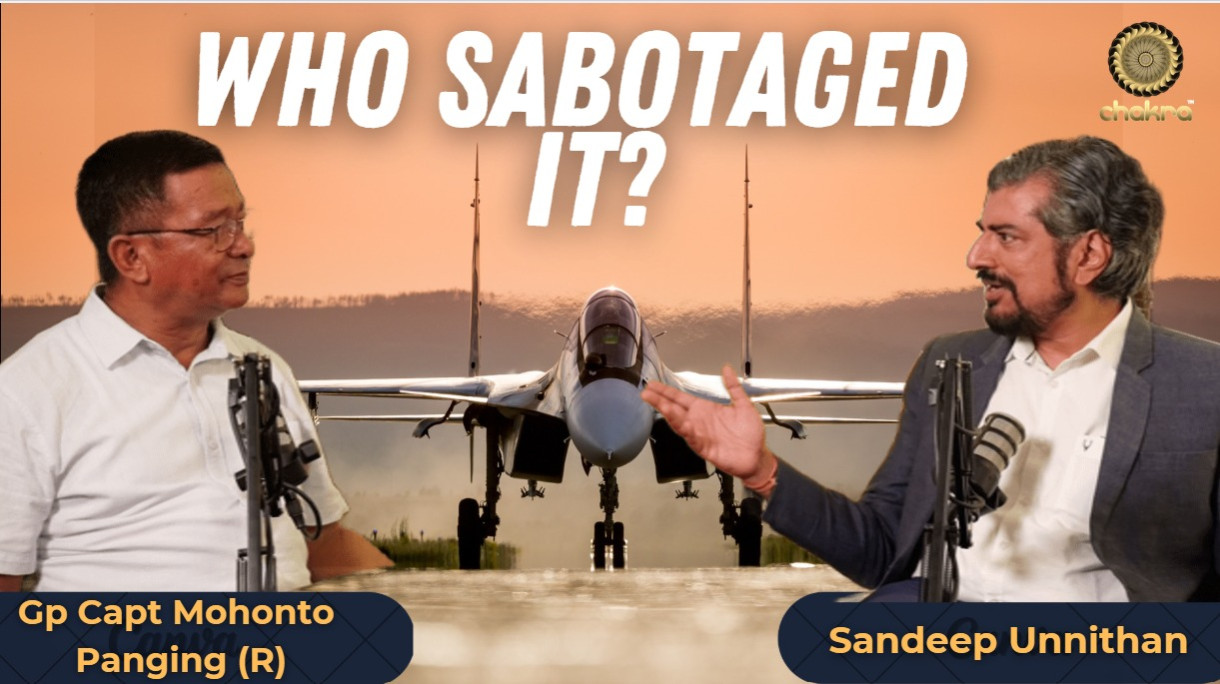
The incident has raised questions about how airlines select pilots, monitor their wellbeing and protect the cockpit from threats within the aircraft. Speaking to Chakra News, Lt Gen PR Shankar and Group Captain Mohonto Panging suggested five measures that could help prevent such incidents in the future.
1. Strengthen Pilot Background Checks
The experts said airlines need stronger checks before recruiting pilots. These should go beyond checking flying qualifications and experience. Group Captain Panging said airlines and regulators should review pilot recruitment procedures and examine the background, character and psychological profile of those being selected to fly passenger aircraft.
Lt Gen Shankar suggested maintaining detailed dossiers on pilots, including their previous employment and relevant background information. He said airlines should be able to conduct proper checks when hiring pilots who have previously worked for another carrier.
2. Conduct Regular Psychological Screening
The experts said psychological screening shall be undertaken, which should not be limited to the time of recruitment. Panging suggested periodic psychological and social assessments during a pilot's career. He said airlines could consider conducting such assessments every few years to identify major changes in a pilot's behaviour or personal circumstances.
He also suggested a one-time psychological assessment of existing pilots if such checks were not carried out when they entered the profession. They said pilots can face personal, financial, family or psychological problems during their careers. A system should be in place to identify concerns that could affect their ability to safely operate an aircraft.
3. Strengthen Cockpit Security
The experts also suggested additional safeguards inside the cockpit. Capt Panging proposed examining the use of cameras inside cockpits. He said such a system could act as a deterrent and allow cabin crew to understand what is happening during an emergency.
He also suggested basic self-defence training for pilots so they can respond to a physical attack inside the cockpit. The experts said cockpit security should provide pilots with the ability to respond if a threat emerges from within the aircraft.
4. Secure the Wider Aircraft Environment
Security checks should not stop with pilots, the experts said. Capt Panging said airlines should also examine people who have access to aircraft, including ground staff, maintenance personnel and other support staff. Security procedures should ensure that weapons or other dangerous objects cannot be introduced into the aircraft or cockpit.
5. Create a Stronger Emergency Response System
The experts also called for clear national procedures to deal with a civilian aircraft that may be hijacked or deliberately used as a weapon. Lt Gen Shankar suggested a national response mechanism that establishes who takes charge, how fighter aircraft respond and what happens if an aircraft is operating far from a military air base.
Capt Panging recalled his experience of preparing fighter aircraft for such scenarios after the 9/11 attacks. He said such situations require clear procedures because fighter pilots may have to intercept an aircraft carrying hundreds of passengers. Gen Shankar also suggested that aircraft could send regular confirmation to air traffic authorities that everything is normal. A fixed interval check from the cockpit could provide an additional layer of protection and help authorities identify an emergency early.
The experts said the Flydubai incident should be used to identify weaknesses in the aviation security system and prevent similar incidents in the future. While the actions of Captain Machchhar and others on board helped avert a disaster, the experts stressed that aviation safety should not depend only on individual bravery. Stronger screening, cockpit security and coordinated emergency procedures can provide “additional layers of protection”.
Savio Rodrigues
Savio Rodrigues is a Research Analyst at Escape Velocity MediaWorks Pvt Ltd and writes for Chakra News on Defence, Geopolitics, National Security. He holds a Master’s degree in International Relations from the University of Mumbai.


Comments